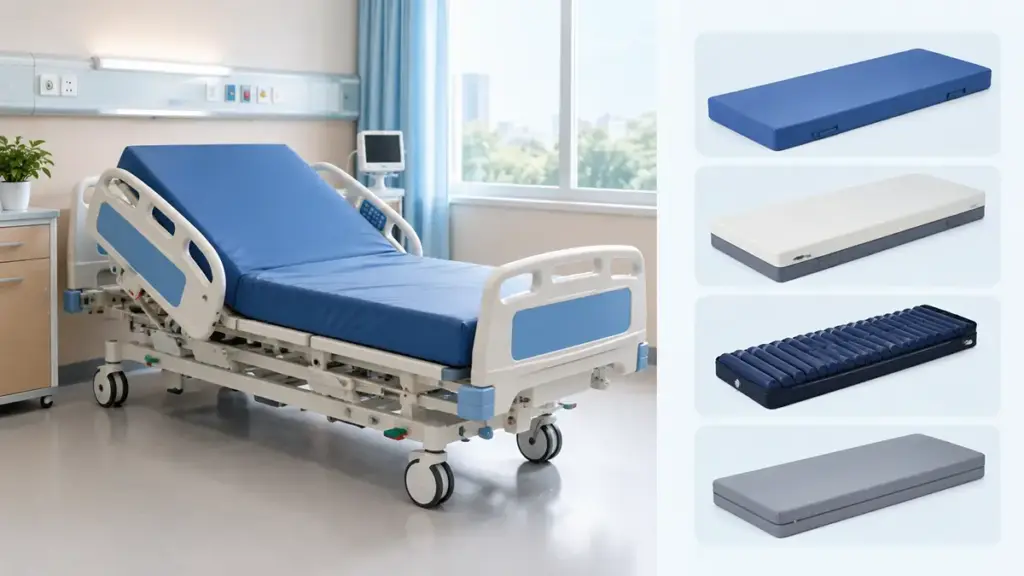
Purchasing an electric hospital bed is a strategic investment for hospitals, healthcare distributors, nursing homes, rehabilitation centers, and medical equipment suppliers. While price is often one of the first considerations, focusing solely on the lowest quotation can lead to higher operating costs, inconsistent product quality, and increased maintenance expenses over the product lifecycle.
This guide explains the key factors that influence electric hospital bed price and offers practical insights to help procurement professionals optimize purchasing budgets without compromising product performance.
What Factors Influence the Cost of Electric Hospital Beds
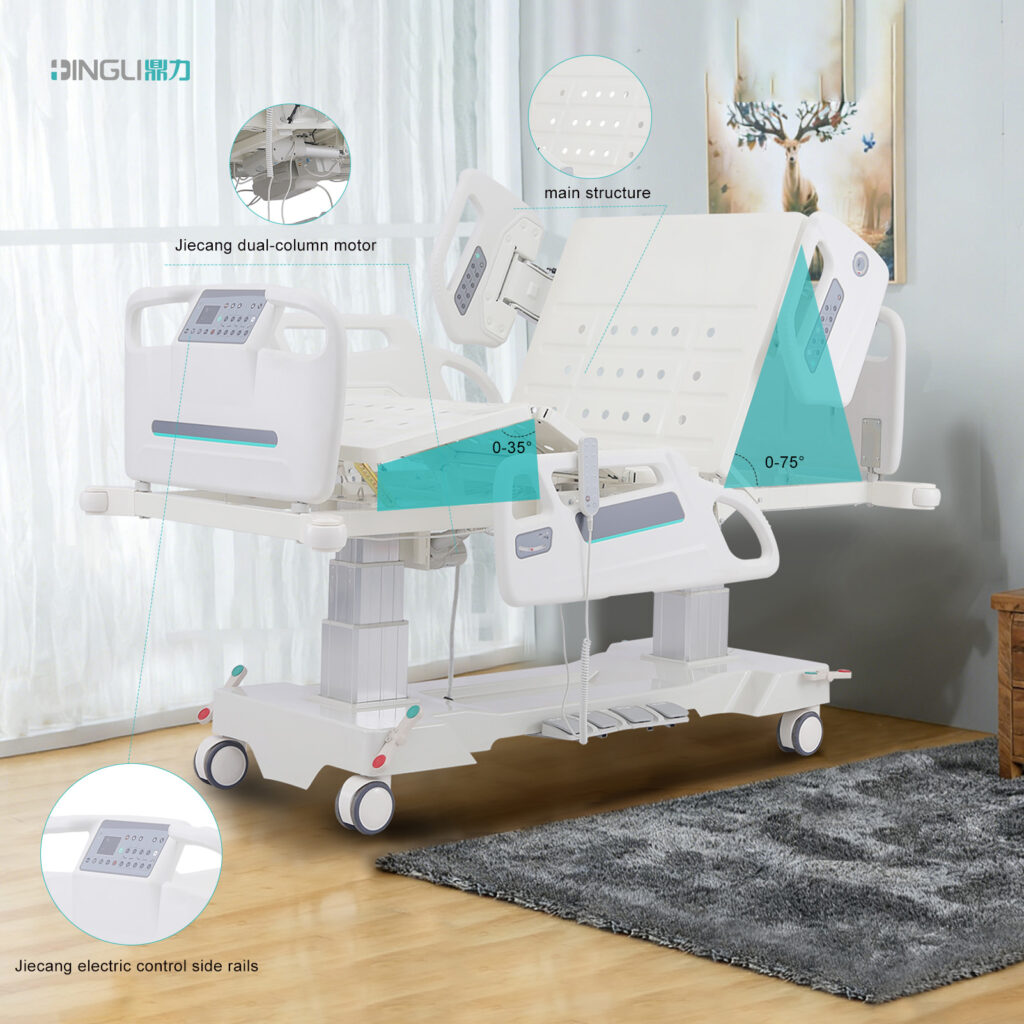
Many buyers assume that the electric hospital bed price depends primarily on bed dimensions or appearance. In reality, pricing is determined by a combination of engineering specifications, manufacturing processes, quality control standards, and supply chain management.
Motor System and Adjustment Functions
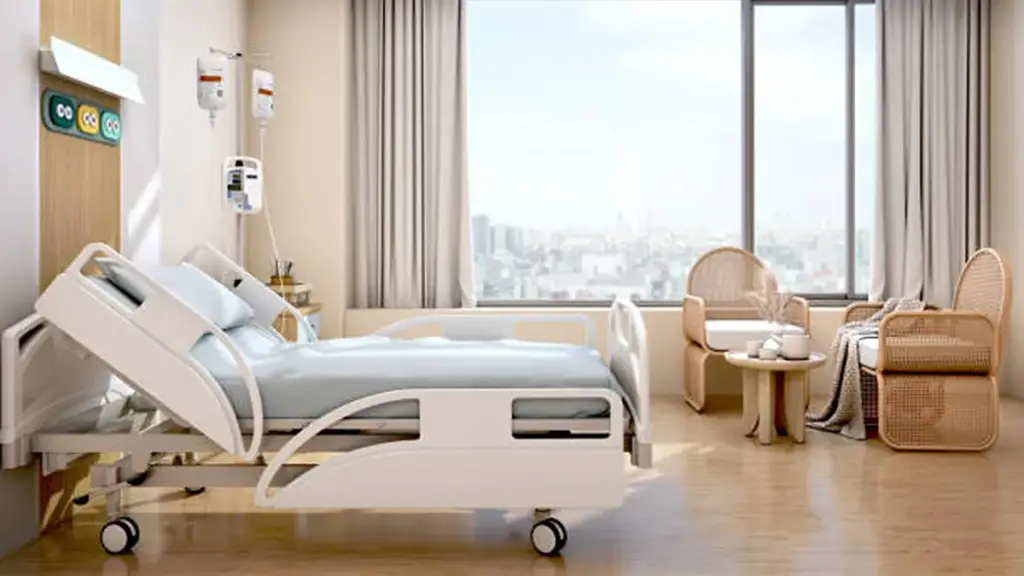
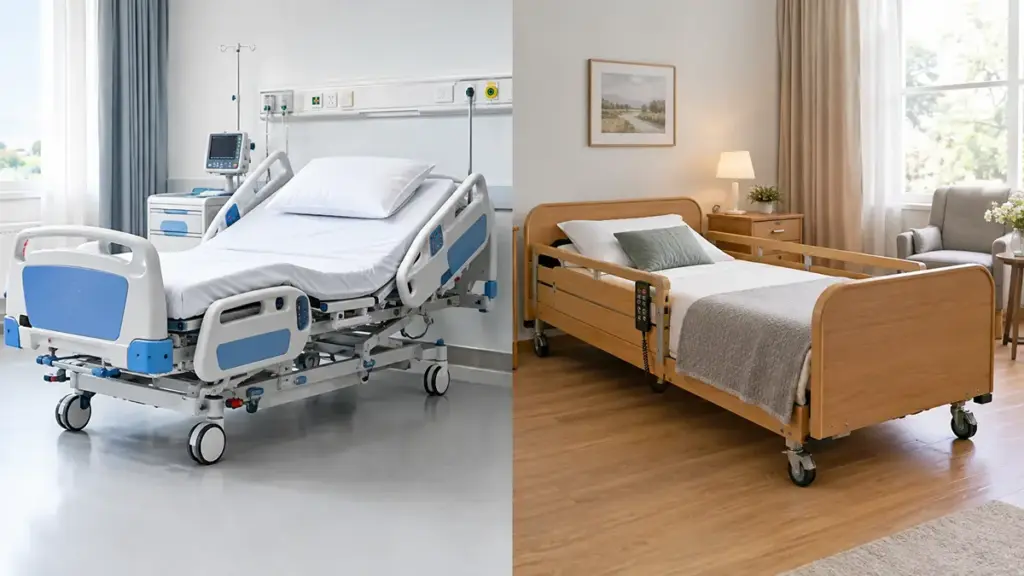
The motor system is one of the most significant contributors to electric hospital bed price. Electric hospital beds rely on motors and actuators to perform various positioning functions that improve patient comfort and reduce caregiver workload.
Depending on clinical requirements, electric hospital beds may include functions such as:
- Backrest adjustment
- Knee section adjustment
- Height adjustment
- Trendelenburg positioning
- Reverse Trendelenburg positioning
Each additional adjustment function requires additional motors, control systems, and mechanical components, increasing manufacturing complexity and overall cost.
High-quality motor systems also contribute to smoother movement, lower operating noise, and improved long-term reliability, making them an important consideration for hospitals operating beds continuously.
Manufacturing Quality and Production Technology
Manufacturing technology has a direct impact on both product quality and electric hospital bed price.
A professional manufacturer invests heavily in automated production equipment to ensure consistency across every production batch. DINGLI operates a modern manufacturing facility covering approximately 60,000 square meters, equipped with automated production lines that improve manufacturing precision and production efficiency.
Examples of advanced production technologies include:
- Robotic welding systems for consistent weld quality
- Automated surface coating processes
- Precision fabrication equipment
- Standardized assembly procedures
- Strict production quality management
These investments increase manufacturing consistency while reducing product defects during large-scale production.
Material Selection
Raw materials significantly affect electric hospital bed price, particularly the structural frame that supports patients during daily operation.
A hospital bed frame must withstand continuous movement, frequent cleaning, and long-term use in demanding healthcare environments.
Manufacturers generally select steel materials that provide:
- High structural strength
- Long-term durability
- Stable performance
- Resistance to deformation during repeated operation
Material quality influences not only manufacturing cost but also the service life of the finished product.
Impact of Motor Selection and Actuator Configurations
Among all pricing factors, the motor system is one of the most technically important components affecting electric hospital bed price.
Different Motor Configurations for Different Clinical Needs
Healthcare facilities have varying operational requirements, and selecting the appropriate motor configuration helps optimize procurement budgets.
For example, general wards may prioritize essential positioning functions for routine patient care, while higher-acuity environments often require additional adjustment capabilities to support more complex clinical needs.
Instead of choosing the maximum number of functions by default, procurement teams should evaluate which configurations align with actual usage scenarios. Matching functionality to clinical requirements allows organizations to control electric hospital bed price while still meeting patient care standards.
Reliability and Long-Term Value
Motor quality should be evaluated not only by its initial cost but also by its contribution to long-term operational reliability.
Hospital beds are frequently adjusted throughout the day by caregivers, patients, and medical staff. Consistent motor performance helps maintain smooth operation and reduces the likelihood of unexpected downtime or maintenance interruptions.
A dependable motor system can contribute to lower maintenance demands and improved operational continuity, factors that are just as important as the initial electric hospital bed price when assessing overall investment.
Your One-Stop Partner for Certified Medical Equipment
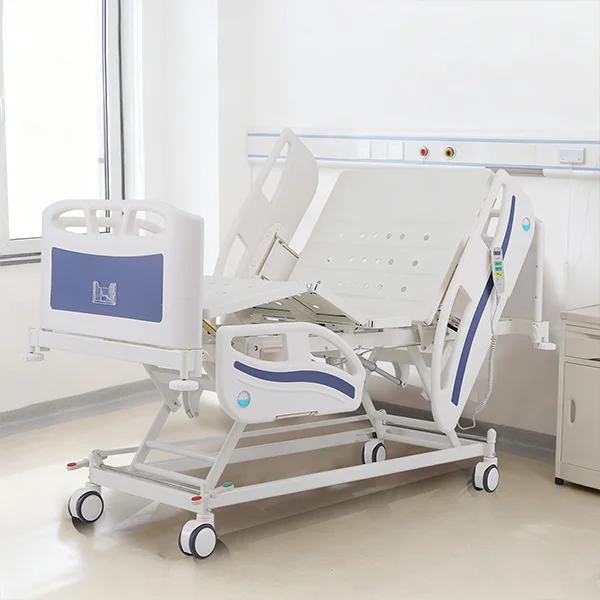
Steel Grade Pricing Realities and Surface Coating Quality
While motors and electronic control systems often receive the most attention during procurement, the structural frame remains the foundation of every electric hospital bed.
Steel Quality Determines Structural Performance
An electric hospital bed is expected to support patients safely while enduring continuous daily operation. Unlike residential furniture, hospital beds are subjected to frequent movement, repeated cleaning, transportation within healthcare facilities, and long service cycles.
Higher-quality steel materials generally require greater manufacturing investment, which is reflected in the final electric hospital bed price. However, they also contribute to a longer product lifespan and lower replacement frequency, making them more economical over the equipment lifecycle.
For procurement teams evaluating multiple suppliers, material quality should always be considered alongside price rather than treated as an isolated cost factor.
Precision Manufacturing Improves Product Consistency
Raw material quality alone is not enough to produce a reliable hospital bed. Precision fabrication and standardized production processes are equally important.
DINGLI utilizes advanced manufacturing equipment to maintain consistent product quality throughout large-scale production. Automated manufacturing technologies help improve dimensional accuracy while ensuring repeatability across different production batches.
These manufacturing capabilities require significant investment in equipment and production management, contributing to electric hospital bed price while supporting dependable product quality.
Surface Coating Protects Long-Term Value
Hospital furniture is cleaned and disinfected frequently. Over time, harsh cleaning agents and continuous use can gradually affect the appearance and durability of untreated metal surfaces.
Surface coating therefore becomes an essential component of product quality as well as an important contributor to electric hospital bed price.
DINGLI employs automated painting processes that help achieve:
- Uniform coating coverage
- Improved corrosion resistance
- Better surface appearance
- Enhanced wear resistance
- Easier daily cleaning
A high-quality coating not only improves aesthetics but also helps protect the steel structure throughout years of service in hospitals, rehabilitation centers, and nursing facilities.
Hidden Logistics Surcharges: Sea Freight and Assembly
Many procurement teams carefully compare manufacturing quotations but underestimate the impact of logistics on the final electric hospital bed price.
Sea Freight Is Only One Part of Logistics Costs
When sourcing electric hospital beds internationally, transportation expenses extend beyond the basic ocean freight quotation.
Additional logistics costs may include export packaging, container loading, inland transportation, port handling, customs documentation, destination clearance, and local delivery. Depending on the destination market and order volume, these expenses can represent a significant portion of the overall procurement budget.
Because electric hospital beds are relatively large products, packaging design and container utilization become especially important. Efficient packaging allows more units to be loaded into each shipping container, helping reduce transportation costs on a per-unit basis.
Packaging Design Supports Cost Control
Protective packaging serves two important purposes. First, it minimizes the risk of product damage during international transportation. Second, it directly affects shipping efficiency.
Poor packaging design may waste valuable container space, reducing the number of beds that can be shipped in each container. Even a small reduction in loading efficiency can increase transportation costs when purchasing large quantities.
Experienced manufacturers consider packaging requirements during product development, ensuring that products are protected while making efficient use of shipping space. This approach helps control the overall electric hospital bed price once logistics expenses are included.
Assembly Requirements Influence Procurement Costs
Assembly is another frequently overlooked factor affecting purchasing budgets.
Some products require extensive installation after arrival, increasing labor costs for distributors or healthcare facilities. Longer installation times may also delay project completion, particularly for hospitals preparing new wards or healthcare centers.
Reducing assembly complexity not only saves labor but also lowers the risk of installation errors that could affect product performance.
Strategic Volume Scaling and Customization Cost Trade-offs
For hospitals, medical distributors, healthcare groups, and government procurement agencies, purchasing strategy can significantly influence electric hospital bed price.
Economies of Scale Reduce Unit Costs
One of the most effective ways to optimize electric hospital bed price is through larger production volumes.
When manufacturers receive higher-volume orders, production becomes more efficient across multiple stages of the manufacturing process. Raw material procurement can be planned more effectively, production lines operate with fewer interruptions, and packaging and logistics can be organized more efficiently. These improvements help reduce manufacturing costs on a per-unit basis.
In addition, stable production schedules allow manufacturers to allocate resources more effectively, supporting consistent quality and reliable delivery throughout the project.
Customization Creates Market Value
Although standard products generally offer the lowest manufacturing cost, customization remains an important strategy for many B2B buyers.
Medical equipment distributors often require products that reflect their own brand identity or comply with local market preferences. DINGLI supports OEM and ODM services, allowing customers to customize elements such as product branding, packaging, user manuals, and selected product configurations according to project requirements.
Customization introduces additional engineering, design verification, production planning, and quality management activities. As a result, highly customized projects may increase the initial electric hospital bed price, particularly for smaller order quantities.
Finding the Right Balance Between Standardization and Flexibility
Not every project requires extensive customization. In many cases, selecting standard product configurations while customizing only essential branding elements provides an effective balance between cost efficiency and market differentiation.
Procurement teams should evaluate which custom features create real commercial value and which may unnecessarily increase manufacturing complexity. By prioritizing meaningful customization, buyers can better control electric hospital bed price without sacrificing product positioning.
Working closely with an experienced manufacturer during the planning stage also helps identify practical solutions that meet project objectives while keeping production efficient.
Budget Optimization Tips for Healthcare Procurement Directors
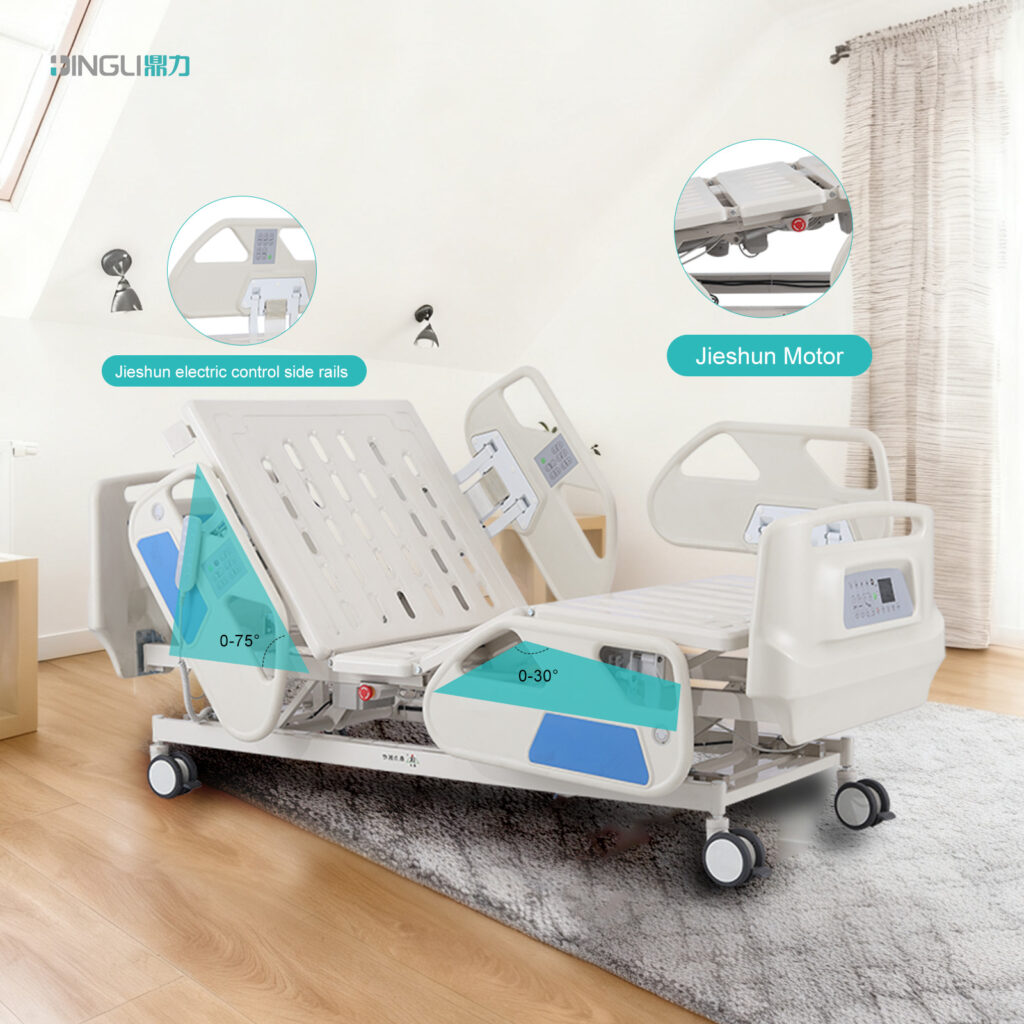
Healthcare procurement is no longer focused solely on obtaining the lowest quotation. Hospitals and medical organizations increasingly evaluate suppliers based on long-term value, operational reliability, regulatory compliance, and service capabilities.
Evaluate Total Cost of Ownership
The purchase price represents only one portion of the overall investment. Maintenance requirements, product reliability, replacement frequency, logistics efficiency, and after-sales support all contribute to the lifetime cost of hospital beds.
Selecting products with consistent manufacturing quality may involve a higher initial investment, but lower maintenance costs and longer service life often provide better financial performance over time.
Verify Manufacturing Capabilities
Choosing a supplier with established manufacturing capabilities helps reduce procurement risks.
DINGLI operates its own manufacturing facility with automated production equipment, including robotic welding systems and automated painting lines. Combined with standardized quality management processes and international certifications such as ISO 9001, ISO 13485, CE, and FDA registration, these capabilities help ensure consistent product quality for global customers.
For procurement teams, working directly with an experienced manufacturer also improves communication efficiency, technical support, and production transparency throughout the purchasing process.
Consider Long-Term Supply Stability
Healthcare organizations often require ongoing procurement rather than one-time purchases. Selecting a manufacturer capable of supporting future expansion helps simplify supply chain management and maintain product consistency across multiple purchasing cycles.
Stable production capacity, predictable lead times, and reliable quality control contribute to smoother project execution and reduce the operational risks associated with changing suppliers.
Building long-term partnerships with manufacturers also allows procurement teams to plan future projects more efficiently while benefiting from continued technical support and product development.
Balance Quality, Service, and Price
The lowest electric hospital bed price does not always represent the best purchasing decision.
A comprehensive supplier evaluation should include manufacturing experience, product quality, certifications, production capacity, customization capabilities, export experience, warranty support, and after-sales service. Considering these factors together enables procurement teams to identify suppliers capable of delivering long-term value rather than simply the lowest quotation.
Final Thoughts
Sacrificing medical-grade standards creates risk. Sticking to proven components is the only way to protect your business from equipment failure, patient complaints, and long-term reputational damage.
By working directly with an experienced factory, customers can optimize electric hospital bed price while ensuring dependable product quality, efficient production, and responsive service for long-term business success. We recommend ordering a sample unit to test our engineering and finish firsthand. Contact our team to discuss your specific OEM requirements for your next supply contract.