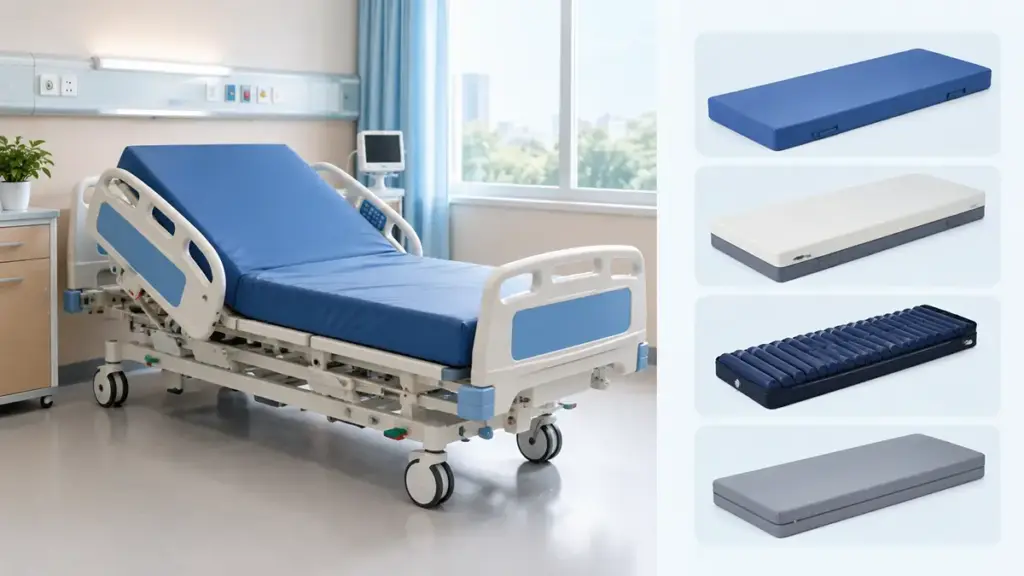
Sourcing a custom hospital bed introduces the risk of uncontrolled costs and production delays. Without a clear manufacturing plan, seemingly minor adjustments to side rails or control systems can inflate factory quotes and push back delivery dates, eroding profit margins before the first unit is even built.
This analysis breaks down the key specifications that determine project timelines and pricing. We evaluate the engineering impact of modifying side rail configurations, patient and caregiver controls, and bed frame extensions to help you create a spec sheet that aligns with both your budget and clinical requirements.
Understanding the Scope of Hospital Bed Customization
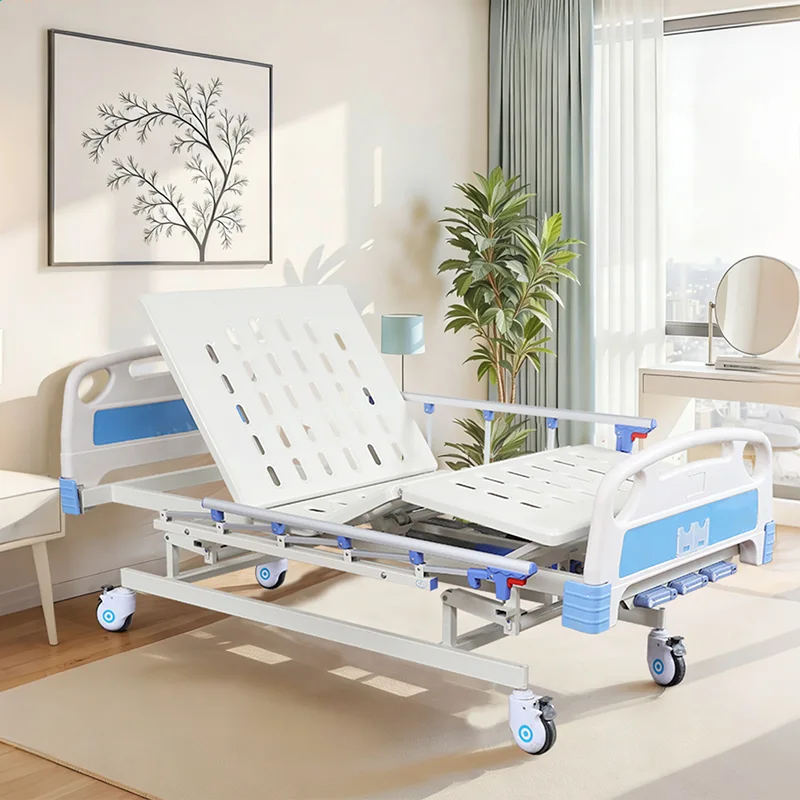
Customization goes beyond size, adapting a bed’s mechanical functions, surfaces, and controls to specific clinical requirements, patient profiles, and care environments from ICU to home.
Core Functional and Clinical Adaptations
The foundation of any custom bed is its clinical capability. This starts with the basic positional adjustments that directly impact patient outcomes, comfort, and safety. These functions are then bundled and refined for specific medical conditions and patient populations.
Core mechanical customizations include:
- Positional Adjustments: The range, speed, and smoothness of backrest, knee, and height adjustments. This includes specifying extra-low heights for fall prevention or extra-high ranges for caregiver ergonomics.
- Clinical Tilting: The availability and angle limits of Trendelenburg and reverse Trendelenburg positions, which are critical for certain respiratory or hemodynamic conditions.
- Actuation Method: Deciding between manual cranks (for low-resource settings), standard electric motors, or the advanced actuators found in smart beds.
Beyond these basics, beds are adapted for specific patient types, such as bariatric beds with reinforced, wider frames or pediatric beds with scaled-down dimensions and enhanced safety rails. The support surface is another critical layer of clinical adaptation, ranging from standard foam mattresses to dynamic low-air-loss systems designed for high-risk pressure injury patients.
Structural, Interface, and Environmental Tailoring
Once the clinical functions are defined, customization extends to the bed’s physical structure, its controls, and how it fits into its environment. These elements are crucial for workflow, sicurezza, and patient experience.
Key areas for this type of tailoring include:
- Frame and Dimensions: Adjusting bed length and width to accommodate patient size or fit through narrow doorways in a home setting. This also includes specifying mounting points for accessories like IV poles or traction equipment.
- Controls and Connectivity: Designing the interface for both patients and caregivers. This can mean simple, large-button handsets for home care or integrated nurse panels on smart beds that connect to the hospital’s EMR and nurse call systems.
- Safety Systems: Configuring side rails (full-length, split), bed-exit alarms, and central braking systems to match a facility’s fall-prevention protocols.
These adaptations ensure the bed works not just for the patient, but also within the operational realities of a hospital unit or the personal constraints of a home.
Key Customization Areas for Hospital Beds
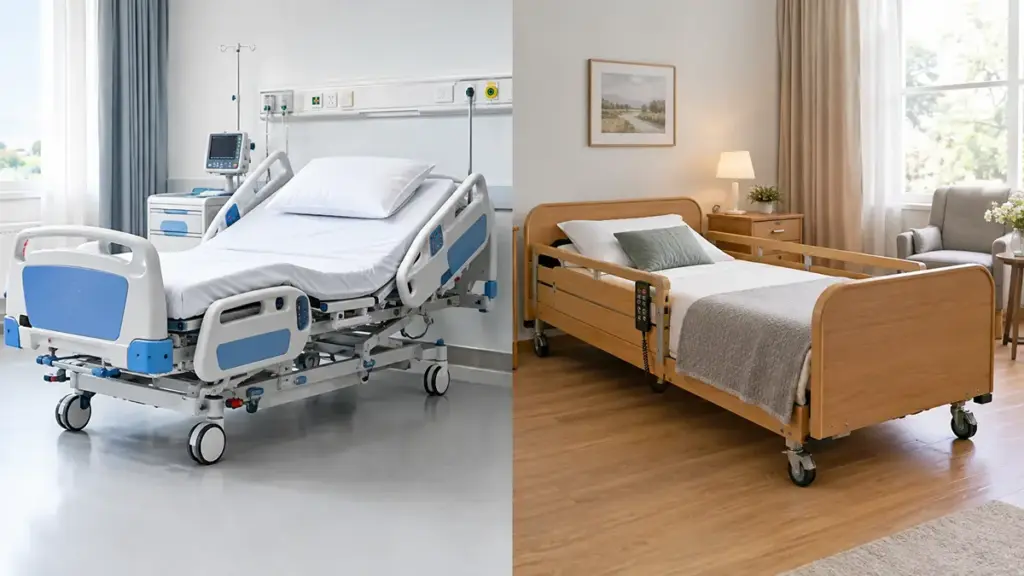
Customizing a hospital bed boils down to three core areas: side rails for safety, control systems for users, and frame dimensions to fit patients and rooms.
| Side Rail Modifications | Advanced Controls | Frame & Sizing Adjustments |
|---|---|---|
| Side rails are tailored for patient risk. Options range from full-length for containment to split rails for mobility. Safety features like bed-exit alarms and entrapment prevention are critical. | Controls are split between patient and caregiver. Patients get handsets or rail controls, while staff use panels with position presets and safety lockouts. Integration with nurse call systems is common. | Frames can be extended in length for taller patients or widened for bariatric needs. Height adjustment, especially ultra-low settings, helps prevent falls and reduce caregiver strain. |
Side Rail Modifications and Safety Features
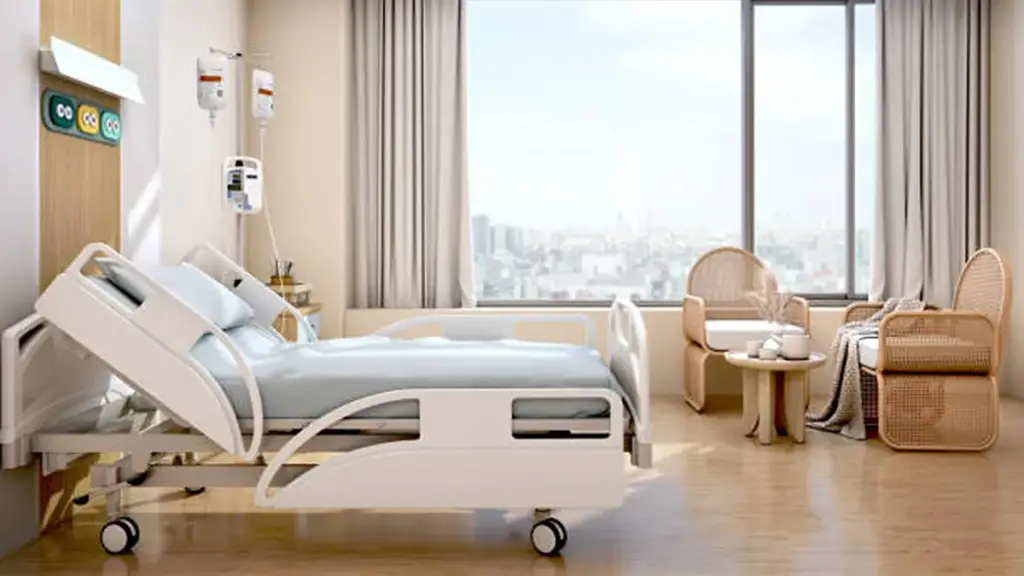
Side rails aren’t a one-size-fits-all component. The choice between full-length, split, or half-rails depends entirely on the clinical need—balancing patient containment with their ability to exit the bed safely. For instance, an ICU might spec full-length rails for a sedated patient, while a rehab unit would use split rails to act as grips for repositioning.
Advanced Patient and Caregiver Controls
Control interfaces are specified based on who uses them. Patients typically get a simple handset or buttons built into the side rail to adjust the head and leg sections. These can be customized with large, backlit buttons for users with low vision or limited function sets for those with cognitive impairments.
Caregiver controls are far more complex. Usually found on a footboard panel or the outside of the rail, these consoles allow staff to lock out patient adjustments, set the bed to preset positions like “Chair” or “CPR,” and adjust bed height. More advanced beds integrate these controls with the hospital’s IT network, sending data on bed status, rail position, and patient weight directly to the EMR or nurse call system.
Bed Frame Extensions and Sizing Adjustments
The bed frame itself is a primary area for customization, driven by patient demographics and room constraints. Many beds feature integrated length extenders to accommodate taller patients, which is key for preventing pressure ulcers on their heels. For bariatric care, frames are not just wider but also built with reinforced actuators and a higher safe working load.
Height adjustment is another critical specification. Facilities often request “ultra-low” beds that can drop close to the floor to minimize injury from falls. The frame design also needs to account for compatibility with other equipment. This means ensuring enough clearance underneath for patient lifts and designing the structure to allow access for portable imaging equipment like C-arms.
Certified Medical Equipment Direct From Manufacturer
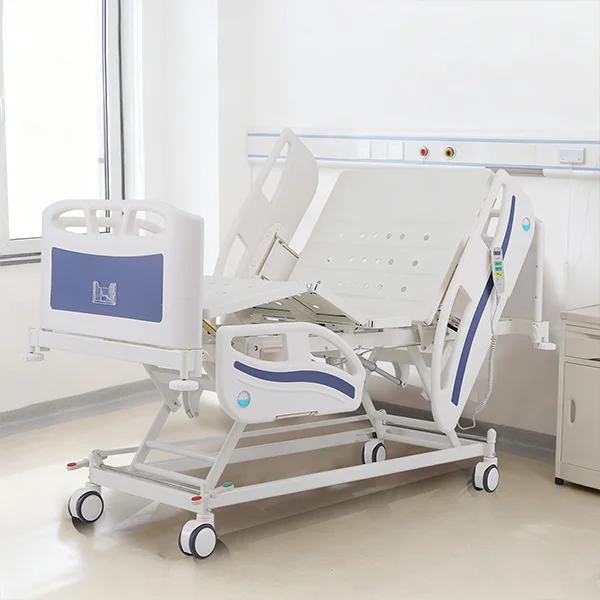
The OEM/ODM Customization Process with Dingli
Our process moves from blueprint review to prototype approval, then into full production with strict quality control. We handle everything through final logistics and delivery.
Step 1: Initial Consultation and Blueprint Review
We start by defining the core functional requirements for the hospital bed. This includes everything from dimensions and load capacity to adjustability features and branding. You provide the technical drawings, blueprints, or a reference sample, and our engineering team gets to work reviewing them. We assess the design for manufacturability and confirm its intended use, as a bed for acute care has different design constraints than one for long-term care. This initial stage wraps up once we verify the certification requirements for your target market and confirm we have the production capabilities to match.
Step 2: Prototyping and Material Selection
With the plans confirmed, we develop a functional prototype. This physical model lets us verify the design’s ergonomics, stability, and movement in a real-world context. We select industry-standard raw materials for the frame and all components to guarantee strength and corrosion resistance. The frame itself goes through surface preparation, including phosphating and powder coating, to maximize its durability. The process doesn’t move forward until you give final approval on the prototype, confirming it meets every specification before we authorize full production.
Step 3: Produzione, Quality Control, and Logistics
Once the prototype is approved, we begin mass production. We use processes like automated welding to ensure consistent quality across every unit. Our quality control system is embedded throughout manufacturing, with both in-process checks and final inspections. We maintain a minimum 10% sampling rate on all finished units. These final checks verify structural integrity, finish quality, assembly accuracy, and all functions. From there, we manage everything on the back end, including customized packaging, warehousing, and shipment, ensuring all documentation is prepared for your final destination.
Cost and Timeline Considerations for Custom Orders
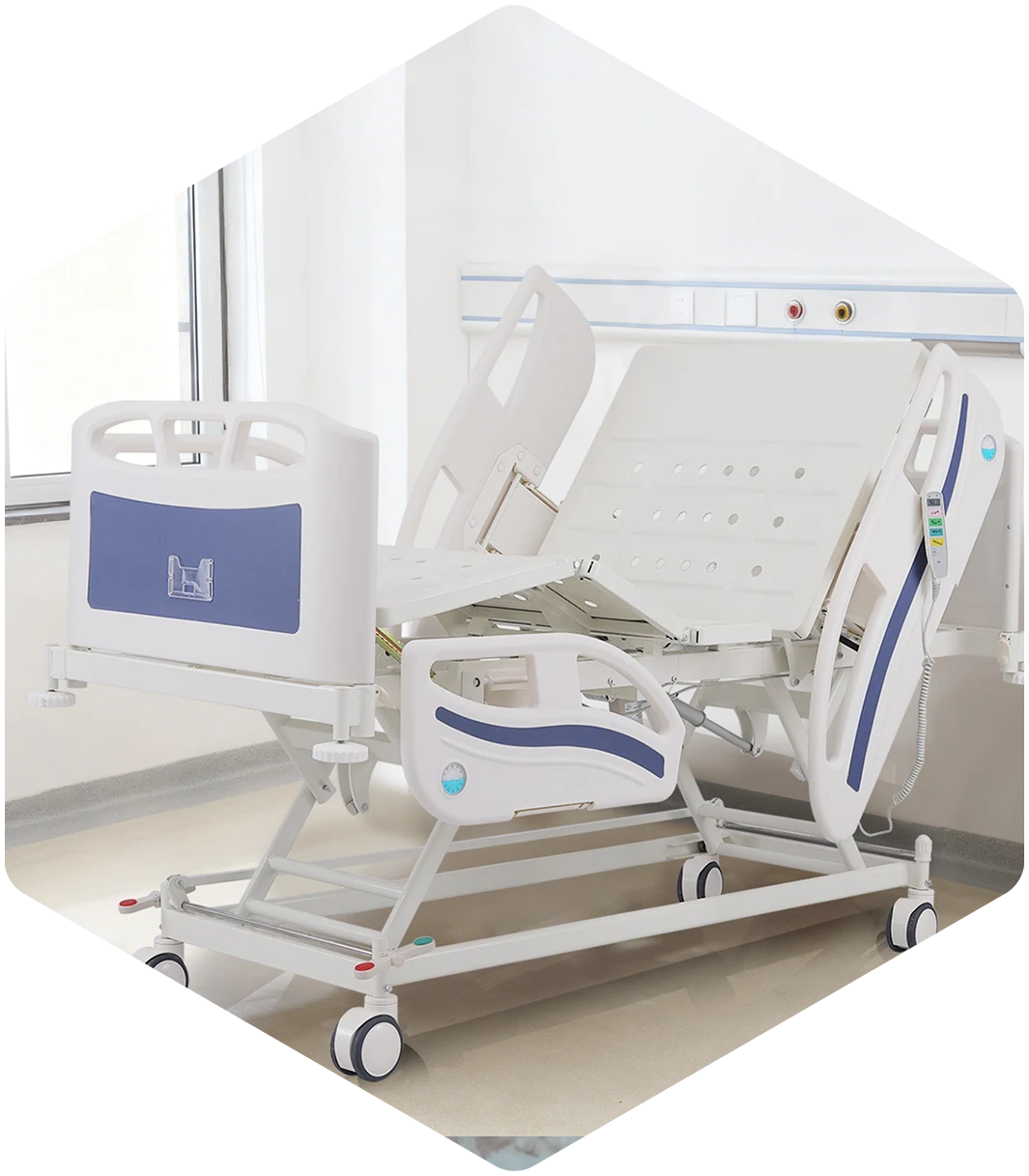
Custom bed pricing depends on actuation type, weight capacity, and special features. Timelines are longer due to specification, produzione, documentation review, and installation scheduling.
Factors Influencing Custom Order Pricing
The final price tag on a custom bed isn’t arbitrary. It’s a direct reflection of the engineering, materiali, and features required for a specific patient’s needs. The cost escalates as you move from basic manual models to complex, fully-electric bariatric units with therapeutic functions.
- Weight capacity: Bariatric beds require reinforced frames, heavy-duty actuators, and more robust engineering. This adds to the material cost, with these models usually starting around $2,000.
- Specialized features: Clinical functions like Trendelenburg positioning, automated lateral rotation for pressure relief, or integrated air-loss mattress systems add significant cost due to their complexity.
- Accessories and compliance: The total order cost also includes necessary add-ons like specific side rails or IV poles, plus any documentation needed to meet insurance or Medicare requirements.
Production and Delivery Timelines
Ordering a custom bed is not an off-the-shelf purchase. The lead time is longer because it’s a multi-stage process that goes from initial consultation to final installation.
- Specification and approval: The process kicks off by defining the exact requirements. This stage must also clear any internal budget hurdles or external insurance pre-approvals, which takes time.
- Manufacturing and assembly: Building a bed with custom features and non-standard parts naturally takes longer than pulling a standard unit from inventory.
- Documentation review: If the purchase involves programs like Medicare, time must be built in for a review of all medical necessity paperwork to ensure compliance.
Why Partner with a Flexible Manufacturer for Custom Beds?
A flexible manufacturing partner helps you get beds that actually fit your clinical workflows and facility, reducing long-term costs and avoiding one-size-fits-all compromises.
Standard hospital beds often force facilities to adapt their workflows to the equipment. Working directly with a flexible manufacturer flips that script. Instead of buying off-the-shelf, you build a bed fleet that matches your specific patient populations, caregiver needs, and long-term budget realities. This approach moves beyond the initial purchase price to focus on total cost of ownership and operational efficiency.
Align Bed Design with Clinical and Operational Needs
A generic bed doesn’t serve the unique demands of an ICU, a bariatric unit, or a homecare setting. True customization means getting the right tool for the job, which directly impacts patient outcomes and staff safety.
- Work with engineers to co-design beds for specific departments—like ICU, bariatric, or homecare—to match distinct clinical pathways and caregiver routines.
- Fine-tune ergonomic features, height ranges, and control layouts to reduce staff injuries while improving patient safety and comfort.
- Specify bed dimensions and integrations to fit your facility’s existing infrastructure, including room sizes, patient lifts, and nurse call systems.
Optimize Lifecycle Costs and Future-Proof Your Fleet
The sticker price is just one part of a bed’s total cost. A flexible partner helps you build a more sustainable and adaptable fleet that pays dividends over its entire service life.
- Lower the total cost of ownership by specifying durable, modular components. This simplifies maintenance, shrinks your spare parts inventory, and extends the useful life of each bed.
- Get faster access to new beds during public health crises or facility expansions, thanks to shorter lead times and adaptable production lines.
- Choose bed platforms designed to integrate future technologies, like patient monitoring sensors or new digital connectivity, so your investment doesn’t become obsolete.
Considerazioni finali
Buying off-the-shelf beds saves money upfront but creates long-term operational costs and clinical compromises. A strategic approach to customization ensures your equipment is an asset, not a liability, by matching frame dimensions, controlli, and safety features directly to your workflow. This is the only way to safeguard your investment against poor patient outcomes and staff inefficiency.
Don’t guess on manufacturability or cost. Our engineering team can review your blueprints or functional requirements to build a clear production plan. Contact us to schedule a consultation and define your custom bed specifications.