A manual hospital bed requires a maintenance protocol that addresses both sanitation and mechanical wear. Using corrosive cleaning chemicals can lead to voided warranties, while neglecting lubrication schedules accelerates the failure of cranks and casters. These unaddressed issues directly shorten an asset’s service life and strain capital budgets.
This guide provides distinct protocols for sanitation staff and biomedical engineers. We detail the correct chemical agents to prevent corrosion on steel frames and wire coatings, and outline an inspection plan for critical mechanical components like crank linkages, caster braking systems, and side rail locks.
Why Proper Cleaning and Maintenance is Non-Negotiable
Skipping maintenance isn’t saving money. It’s a direct path to patient safety incidents, equipment failure, and voided warranties that will cost you more in the long run.
Ensuring Patient Safety and Infection Control
High-contact surfaces on manual beds, especially side rails and crank handles, are breeding grounds for pathogens. Without routine disinfection, you’re creating a direct route for cross-contamination between patients and staff. It’s a simple but critical step in breaking the chain of infection.
Mechanical failures are not an option. Regular inspections of side rails, casters, and crank systems are essential to catch problems before they lead to patient falls or entrapment. A rail that doesn’t latch or a brake that doesn’t hold is a serious liability waiting to happen.
The mattress surface itself is a key component of patient care. A clean, intact mattress without any tears or cracks is fundamental for preventing skin infections and pressure injuries. A compromised mattress cover completely undermines hygiene protocols.
Maintaining Operational Reliability and Asset Value
Preventive maintenance is about keeping beds available when you need them. A disciplined schedule of checks and lubrication drastically reduces unexpected downtime. A broken bed disrupts patient flow and scheduling, creating problems that ripple through the entire facility.
These beds are a significant financial investment. Proper care prevents corrosion and premature wear on mechanical parts, directly extending the service life of the equipment. Neglecting basic maintenance shortens the bed’s lifespan and wastes capital.
Adhering to the manufacturer’s cleaning and maintenance protocols isn’t just a suggestion; it’s a requirement. Following these guidelines is necessary for regulatory compliance and is often a condition for keeping the product warranty valid. Cutting corners here can be a costly mistake.
The Sanitation Worker’s Guide: Daily Cleaning Protocols
Effective cleaning is a two-step process: detergent first, then a disinfectant with proper dwell time. Prioritize high-touch zones like rails and cranks to stop pathogen spread.
Recommended Cleaning Agents (and What to Avoid)
Using the right chemicals prevents equipment damage and ensures effective disinfection. The wrong ones can corrode metal, degrade plastics, and create safety hazards.
- Core Agents: Start with a neutral pH detergent to remove organic soil. Follow up with a hospital-grade disinfectant like a quaternary ammonium compound (quat) or a correctly diluted bleach solution, based on your facility’s policy.
- Application: Always clean surfaces with detergent before applying disinfectant. Disinfectants can’t work properly on dirty surfaces. Make sure the surface stays wet for the full contact time listed on the product label.
- Chemicals to Avoid: Stay away from abrasive powders, strong solvents like acetone, and cleaners with very high or low pH. These products will damage bed frames, plastic parts, and metal hardware over time.
- Practices to Avoid: Never mix cleaning chemicals, especially bleach and ammonia—they create toxic gas. Don’t hose down beds or soak mechanical parts like cranks. This causes rust and leads to mechanical failure.
Step-by-Step Cleaning Process for Bed Frames and Surfaces
A consistent, systematic workflow prevents missed spots and cross-contamination. Every bed should be treated with the same methodical approach, every time.
- Preparation: Know if the bed is occupied. Wash your hands and put on your PPE. Lock the bed’s casters so it doesn’t move, and get your supplies ready—detergent, disinfectant, and separate cloths for each.
- Systematic Workflow: Work from the cleanest areas to the dirtiest, and from top to bottom. Start at the headboard, move down the rails to the footboard, and finish with the frame base and casters.
- Two-Stage Process: Primo, use a cloth with neutral detergent to wipe down all surfaces and remove any visible dirt. Poi, use a fresh cloth or wipe with your disinfectant, ensuring you cover every surface and let it sit for the required contact time.
- Final Checks: After the disinfectant has dried, test all the bed’s manual functions. Make sure the side rails lock, the cranks for the backrest, knee, and height all work smoothly, and the caster brakes engage properly. Then remake the bed with fresh linen.
Handling High-Touch Components (Side Rails, Cranks)
High-touch components are the main transfer points for pathogens. They require more frequent and meticulous attention than the general frame.
- Identify High-Touch Zones: The critical areas are the side rails, manual hand cranks, rail release latches, and any handles used to move the bed. These need the most focus.
- Frequency: Clean and disinfect these parts at least once per shift. If they become visibly dirty, clean them immediately. They are the top priority during a terminal clean after a patient leaves.
- Side Rails: Wipe every surface of the rails—top, inside, and outside. Pay close attention to the spots where hands are most often placed. After cleaning, always check that the rails lock securely.
- Manual Cranks: Use a damp cloth, not a soaking wet one, to clean the handle, arm, and base. Disinfect it, but be careful not to let liquid seep into the mechanical parts. Run each crank through its full range of motion afterward to confirm it works smoothly.
Secure Your Medical Equipment Supply Chain
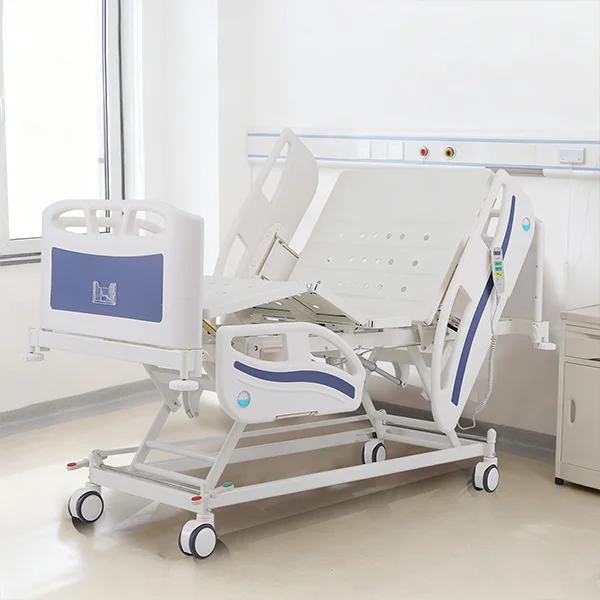
The Biomedical Engineer’s Playbook: Long-Term Maintenance and Inspection
A disciplined maintenance program with tiered scheduling, structural checks, and targeted lubrication is essential for the safety and longevity of any manual hospital bed fleet.
Creating a Preventive Maintenance Schedule
A solid preventive maintenance (PM) plan starts with classifying your manual beds as medium-risk, high-utilization devices. This sets the stage for a semiannual PM baseline. The schedule itself should be tiered to distribute responsibility and ensure constant oversight.
- Implement tiered intervals: daily visual checks by nursing staff, monthly technical inspections, and comprehensive semiannual PMs performed by biomedical technicians.
- Maintain a digital asset registry for every bed to track its complete life-cycle, including all maintenance, repairs, and part replacements for compliance and trend analysis.
- Develop standardized, bed-specific PM checklists. These should be built from manufacturer manuals and your own historical failure data to ensure inspections are consistent and effective.
Inspecting Structural Integrity and Mechanical Parts
Physical inspection is where you catch problems before they become patient safety incidents. The focus is on the core mechanical and structural components that take the most stress.
- Examine the main frame and all welded joints for any cracks, bending, or significant corrosion. If a bed is compromised, it must be removed from service immediately.
- Test all side rails to confirm they lock securely without slipping. At the same time, inspect for any potential entrapment hazards between the rail, materasso, and frame.
- Operate all cranks and linkages through their full range of motion to ensure smooth function. You must also verify that backrest and knee ratchets hold firm under a test load.
- Check the braking system by engaging the locks and trying to push the bed. All braked castors must stay completely stationary. No exceptions.
Lubrication Points and Wear-and-Tear Checks
Proper lubrication and wear checks are not separate tasks. They must be done together to be effective. One informs the other.
- Apply only manufacturer-specified lubricant to pivot joints, linkages, and screw mechanisms. Use it sparingly and wipe away any excess to prevent dirt and grime accumulation.
- Pair every lubrication task with a corresponding wear check. As you lubricate, inspect pivot pins for looseness, bushings for ovalization, and ratchet teeth for rounding or chipping.
- Inspect the castor wheels for flat spots or cracks. Check brake linkage components for any bending or elongated holes that would reduce braking effectiveness.
- After lubrication and any part replacements, re-test all functions under a simulated load to confirm that operation is smoother and all locks are secure.
Key Features of Dingli Manual Beds for Enhanced Durability
Durability in manual beds hinges on three things: steel frames that resist rust, casters that take a beating, and surfaces that withstand constant disinfection. These are non-negotiable.
| Feature | Durability Contribution |
|---|---|
| Corrosion-Resistant Steel Frames | Protects against chemical disinfectants and humidity, preventing rust at welds and maintaining structural integrity for safe patient loads. |
| High-Impact Casters and Braking Systems | Absorbs shock from transport over uneven floors and locks securely, reducing stress on frame joints during patient transfers. |
| Durable Wire Coating and Bed Surface | Resists warping and damage from harsh cleaning agents, ensuring hinge points remain aligned for smooth manual adjustments. |
Corrosion-Resistant Steel Frames
The core structure of these beds is high-tensile carbon steel. This material provides the necessary strength to resist bending from constant patient and caregiver use. More importantly, the entire frame gets an anti-rust coating. This isn’t just paint; it’s a protective layer designed to handle the disinfectants, humidity, and fluids common in any clinical setting.
This treatment slows down oxidation, which means less frequent maintenance and a longer service life. By preventing corrosion at critical welds and joints, the frame holds its safe weight capacity over time and keeps the manual crank mechanisms properly aligned for smooth operation.
High-Impact Casters and Braking Systems
Casters are a common failure point, so they’re built from high-impact materials designed to absorb shocks when rolling over door thresholds and uneven floors. A larger wheel diameter makes the bed easier to maneuver over obstacles and minimizes wear from concentrated pressure points.
The mechanical braking system is just as critical. It needs to lock the wheels securely during patient transfers and bedside procedures. A robust brake reduces the sudden movements that can stress the frame’s welds and joints, contributing to the bed’s overall longevity.
Durable Wire Coating and Bed Surface
The bed platform uses a high-impact ABS slat surface mounted on steel cross-members. This setup is then protected by a powder or epoxy coating. This is what shields the metal deck from corrosion caused by spills and the harsh cleaning agents used for infection control.
The smooth, non-porous surface is easy to decontaminate. This robust construction also resists warping, which is key for keeping the hinge points aligned. If the deck warps, the manual adjustment mechanisms start to bind and fail.
Leveraging Dingli’s After-Sales Support for Maximum Fleet Uptime
Maximize bed availability by integrating Dingli’s parts and knowledge directly into your maintenance schedules and repair workflows. Stop guessing and start planning.
Integrating Support into Proactive Maintenance and Parts Strategy
To keep your manual bed fleet running, your maintenance program can’t be generic. It needs to be built around the manufacturer’s own specifications. The first step is to get Dingli’s recommended preventive maintenance (PM) checklists for each bed model you operate. Align your internal maintenance schedule with their specific inspection points for cranks, welds, sponde laterali, and casters. This ensures you’re looking for the right issues and helps avoid potential warranty disputes.
A proactive parts strategy is just as critical. Waiting for a component to fail before ordering a replacement guarantees extended downtime. Work with Dingli’s support team to build a parts matrix for your fleet, identifying the most common failure and wear items.
- Identify Critical Spares: Create a list of high-wear parts with official Dingli part numbers. This usually includes hand cranks, casters, brake assemblies, and side rail latches.
- Stock On-Site: Keep a small inventory of these critical spares on-site, sized to your fleet. Having a few crank handles or caster sets in stock can turn a week-long repair into a same-day fix.
- Establish Lead Times: For less common parts, work with Dingli to understand their lead times. Knowing a specific linkage takes 10 days to arrive allows you to schedule the repair and manage the out-of-service bed effectively.
Streamlining Incident Response and Training for Faster Repairs
The biggest delay in getting a bed back into service is often poor communication during the initial incident report. You can shorten the time-to-repair by standardizing how your team reports failures to Dingli. Create a simple, mandatory report template that includes the bed’s model number, serial number, location, and a clear description of the fault. Including a photo or short video of the problem eliminates guesswork and reduces the back-and-forth questions from the support team.
You should also use Dingli’s expertise to train your own staff. Arrange for their technicians to provide model-specific training sessions for your maintenance team. These sessions should cover the disassembly and reassembly of common components like crank mechanisms and brake systems. This builds in-house competency and confidence. At the same time, use Dingli’s user guides to train clinical staff on correct operation. Proper use of cranks and side rails reduces the number of misuse-related failures, and well-trained users are better at spotting early warning signs before a small problem becomes a complete breakdown.
Considerazioni finali
Following a maintenance protocol is critical, but it won’t save a bed built with inferior materials. Generic options with low upfront costs become a long-term liability when their frames rust and mechanicals fail under routine use. A fleet built on corrosion-resistant steel and high-impact components is the only way to truly protect your capital budget and patient safety.
Don’t guess on durability—verify it. We recommend starting with a sample order to test the weld quality and component resilience firsthand. Contact our team to discuss your fleet requirements and OEM specifications.
SEO
Title: How to Clean and Maintain the Manual Hospital Beds for Long-Term Use
Description: Manual hospital bed maintenance protocols for corrosion-resistant steel frames. A guide for biomedical engineers & procurement officers.
URL: manual-hospital-bed-maintenance
Keywords: Manual Hospital Bed Maintenance