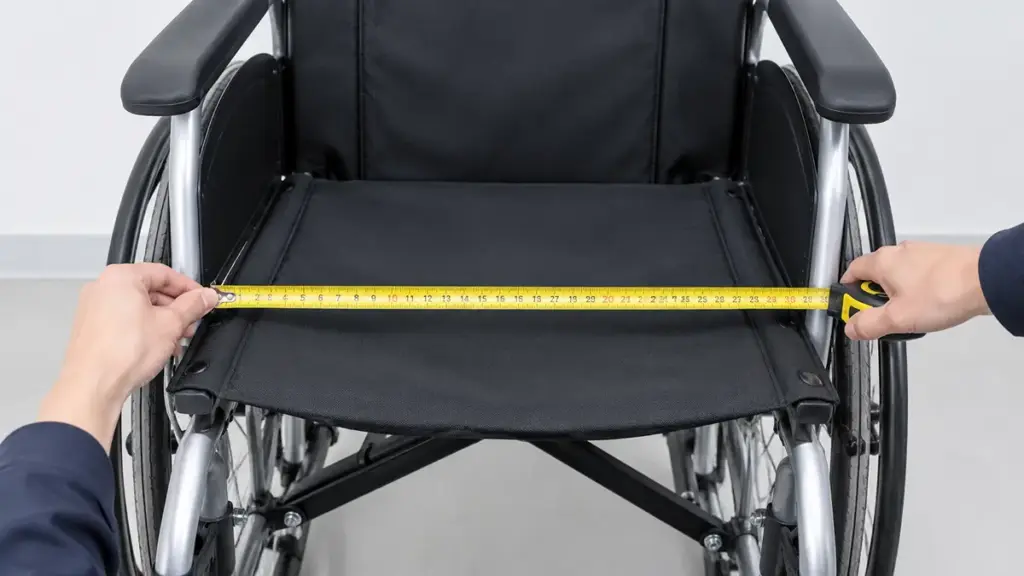
Hospital bed casters affect how easily a bed can be moved, steered, parked, and positioned during patient care. An unsuitable caster may also increase rolling resistance, interfere with braking, damage flooring, or create additional maintenance work.
This guide compares individual brakes, central braking systems, and directional locks. It also explains how wheel diameter, tread material, load rating, and replacement compatibility should be evaluated when selecting hospital bed casters.
Why Hospital Bed Casters Affect Safety and Workflow
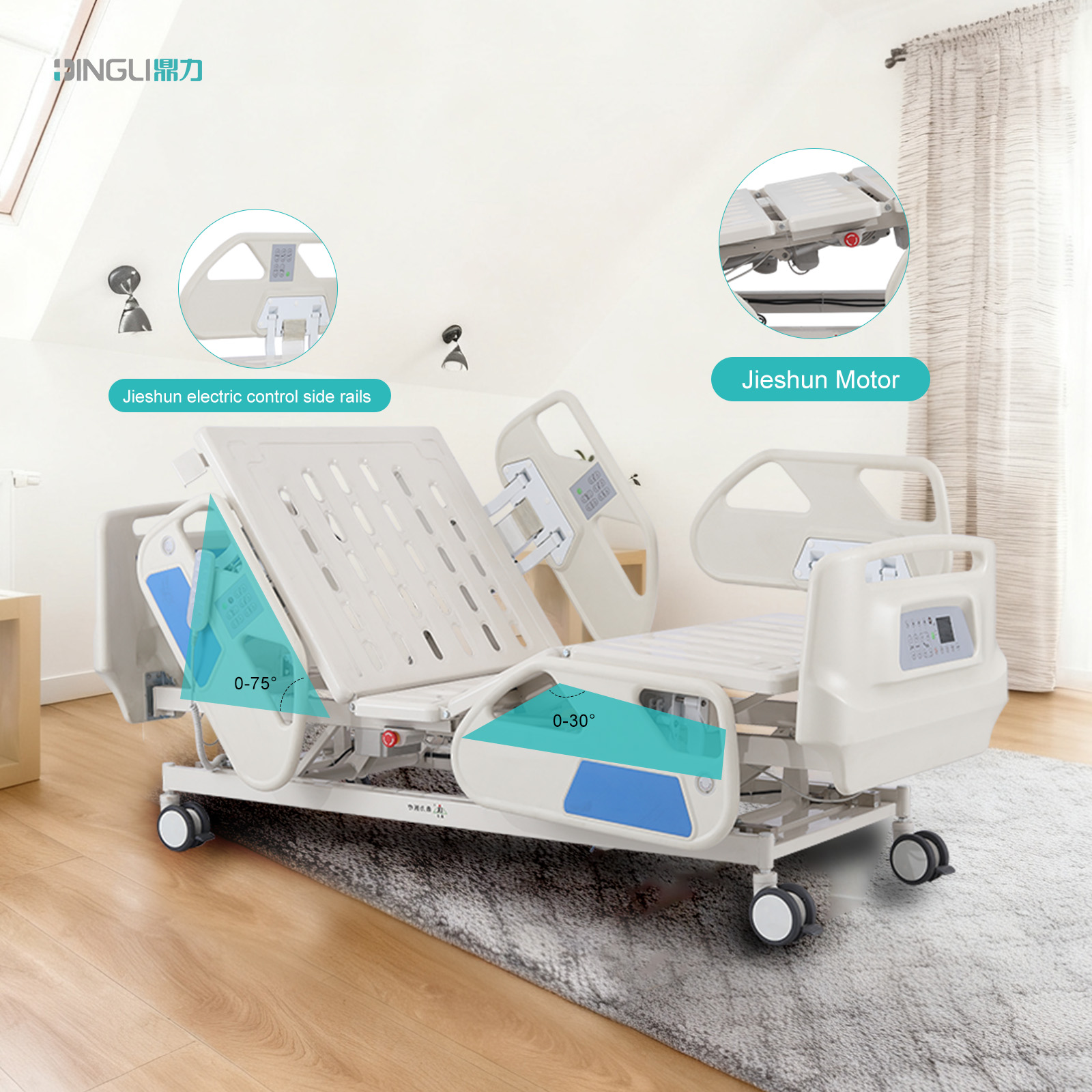
Caster design, braking performance, and condition affect bed stability, maneuverability, and the effort required during patient transport.
How Casters Affect Patient and Staff Safety
病院用ベッド casters should support controlled movement and reliable parking throughout the bed’s intended use. Buyers should evaluate the caster set as part of the complete bed configuration.
| Caster Consideration | Why It Matters |
|---|---|
| Parking Brake | The brake should hold the bed securely when it is parked, particularly during patient entry, exit, and bedside care. |
| Transfer Stability | The bed and the receiving surface should be secured according to their operating instructions before a patient transfer begins. |
| Rolling and Steering | Casters that roll and steer smoothly can reduce the force and repeated corrections required when staff move a loaded bed. |
| Load Rating | The complete caster set must be suitable for the bed’s specified operating load. The required capacity per caster depends on the bed design, load distribution, and applicable test method. |
Caster Diameter, Tread and Swivel Design
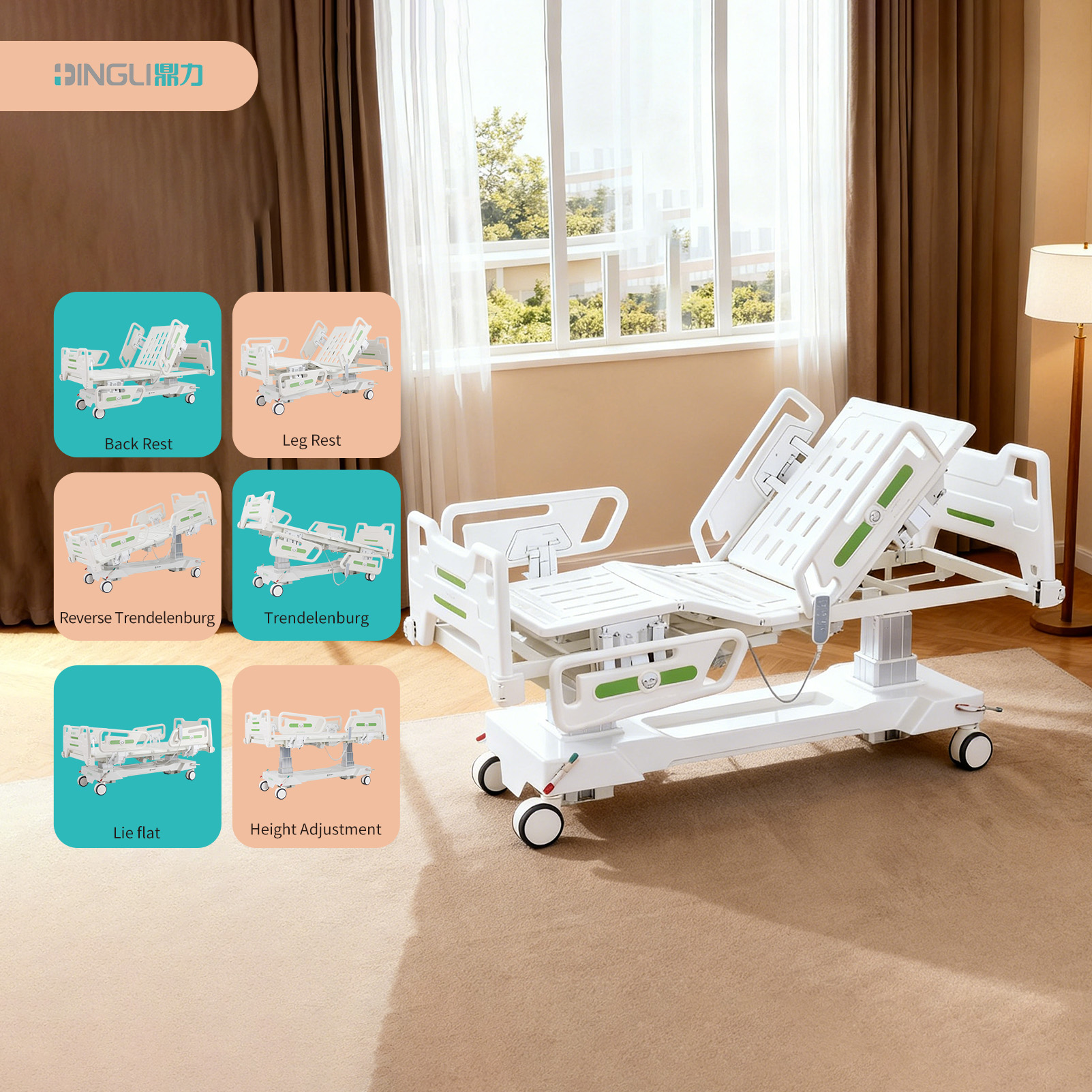
Wheel diameter, tread construction, and swivel design influence how a hospital bed moves, turns, and interacts with the floor.
Wheel Diameter and Tread Characteristics
Larger wheels generally roll more easily over small thresholds, floor joints, and other surface irregularities. しかし, wheel diameter can also affect the caster’s installed height, the bed’s minimum height, and the available space beneath the frame. Buyers should therefore select wheel dimensions according to the bed design and intended environment rather than relying on a single standard size.
Tread material affects rolling resistance, noise, floor contact, durability, and cleaning compatibility. Polyurethane and thermoplastic materials are commonly used because they can provide a balance of quiet movement, wear resistance, and floor protection. Their suitability still depends on the specific material formulation, floor surface, load, and disinfectants used by the facility.
Tread width and hardness also affect performance. Wider or more compliant treads may spread the load over a larger contact area and absorb more vibration, while narrower or harder treads may turn and roll more easily on some surfaces. These characteristics should be evaluated together because improving one aspect, such as noise reduction, may increase rolling resistance.
Swivel Design and Locking Integration
The swivel assembly must be compatible with the bed’s braking and steering system. Some hospital beds use individual caster brakes, while others use a central system operated by a pedal or lever. Our guide to how an electric hospital bed works provides a broader explanation of how the base frame, controls, actuators, and other components operate as one system.
A central system may provide three operating modes:
- Free Movement: The casters remain free to swivel for positioning in confined spaces.
- Directional Lock: One or more casters are held in a fixed direction to support straight-line transport.
- Total Lock: The relevant wheels and swivel functions are locked to secure the bed while parked.
The available modes and linkage design vary by bed model. Buyers should confirm the specified caster configuration, pedal operation, and locking functions rather than assuming every central braking system works in the same way.
Compare Hospital Bed Caster and Brake Options

Individual Brakes vs Central Braking

Individual brakes secure each caster separately, while a central braking system operates multiple casters through one control.
Individual Brakes
With individual brakes, each caster is operated separately. Staff must engage and release the required brakes at different corners of the bed.
This arrangement is mechanically straightforward and may be suitable for beds that are moved less frequently. しかし, it takes more time to operate and requires staff to check that each applicable brake has been engaged.
Central Braking
A central braking system connects multiple casters to a pedal or lever. Operating the control changes the braking state of the connected casters at the same time.
This can make it quicker to park or release a bed and reduces the need to operate separate controls at each corner. The number of casters controlled and the available operating modes vary by bed model, so buyers should confirm the system configuration in the product specifications.
Directional Locks and Straight-Line Movement

A directional lock holds one or more casters in a fixed orientation to support controlled movement along corridors.
How Directional Locking Works
A directional lock restricts the swivel movement of a caster while allowing its wheel to continue rolling forward and backward. This differs from a total lock, which is intended to prevent both rolling and swivelling when the bed is parked.
Depending on the bed design, the directional mode may be controlled by a central pedal and may act on one or more casters. The remaining casters stay free to swivel, allowing the bed to follow the direction set by the locked caster. Buyers should confirm how the steering mode operates on the specific bed rather than assuming that every central braking system uses the same arrangement.
Load Distribution and Floor Conditions
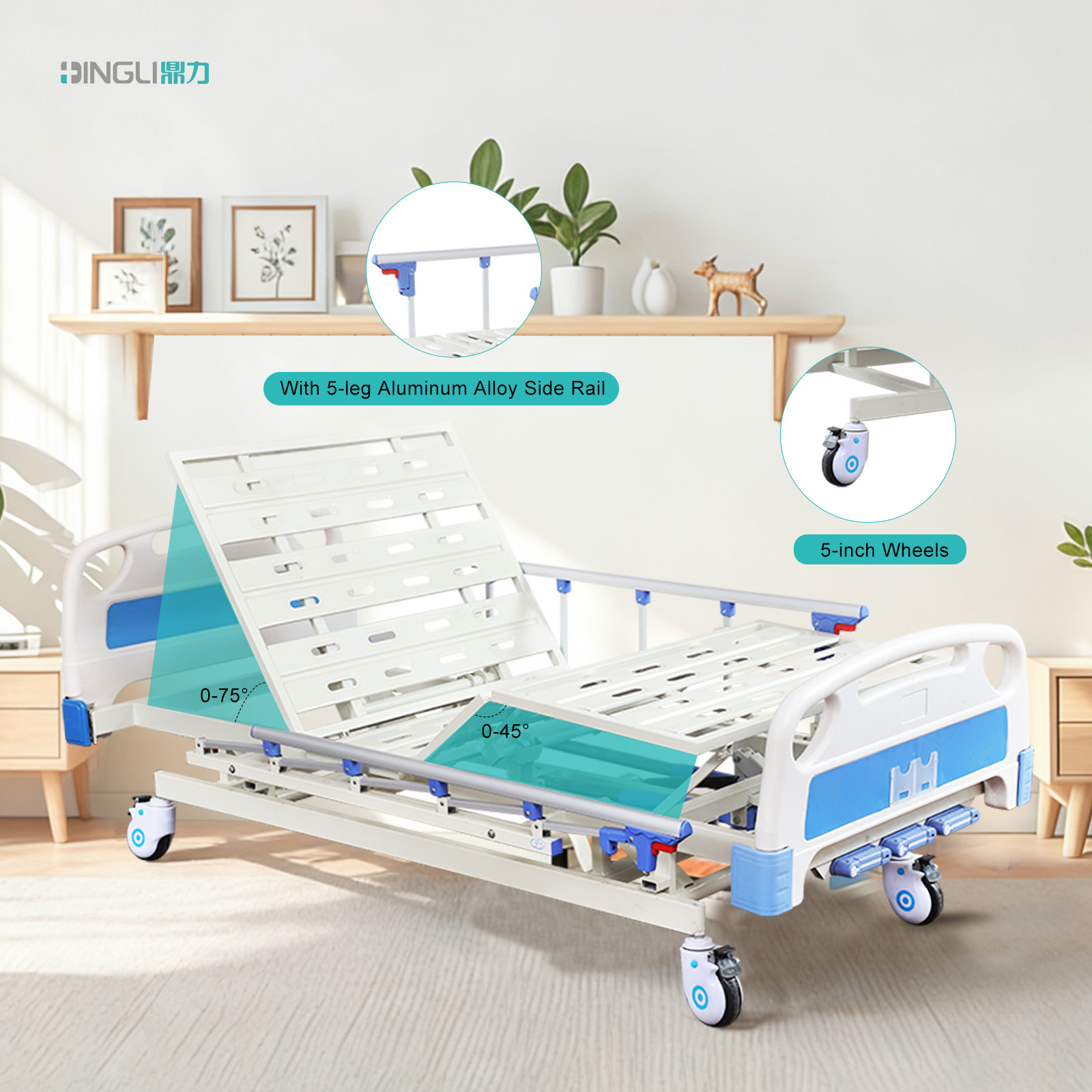
Wheel dimensions, tread material, load distribution, and floor conditions should be considered together when selecting hospital bed casters.
Matching Casters to Floor Sensitivity
Hospital flooring may respond differently to caster loads and movement. Resilient materials such as LVT, VCT, sheet vinyl, and linoleum may be susceptible to indentation, scratching, or tread marks. Coated surfaces such as epoxy or sealed concrete can also wear if grit becomes trapped beneath the wheels.
Buyers should compare the caster material, tread profile, specified load, and intended floor surface. Compatibility should be confirmed with the bed and flooring manufacturers, particularly for heavier beds or equipment that is moved frequently.
Noise, Debris and Routine Inspection
Changes in caster noise, rolling resistance, or brake operation may indicate debris, wear, or mechanical damage that requires inspection.
Common Caster Problems: Noise and Debris
Caster noise may result from contamination, worn components, tread damage, or loose hardware. The likely cause should be identified before cleaning, lubricating, adjusting, or replacing a component.
| Common Problem | Possible Cause | What to Check |
|---|---|---|
| Debris Buildup | Hair, thread, tape, or floor grit wrapped around the axle or lodged in the tread. | Inspect for restricted rotation, scraping sounds, and contamination near the wheel or brake mechanism. |
| Bearing Wear | Worn, dry, contaminated, or damaged wheel and swivel bearings. | Check for squeaking, rumbling, uneven rotation, or excessive movement in the wheel or swivel assembly. |
| Tread Damage | Flat spots, cuts, cracks, separation, or wear caused by use or dragging a locked wheel. | Look for rhythmic noise, vibration, visible deformation, and uneven contact with the floor. |
| Loose or Damaged Hardware | Loose mounting hardware, a bent fork, or damage to the caster housing. | Inspect the mounting point and caster structure if rattling, clunking, or unstable movement occurs. |
Debris wrapped around an axle may increase rolling resistance or prevent the wheel from rotating freely. Contamination near a brake or locking mechanism may also interfere with its operation. Cleaning and inspection should follow the manufacturer’s instructions, including any restrictions on disinfectants and lubricants.
Inspection Protocols and When to Replace a Caster
Inspection frequency should follow the bed manufacturer’s instructions and the facility’s preventive-maintenance program. Beds that are transported frequently may require more frequent checks than beds that remain in one location. UK Health and Safety Executive guidance on moving and handling equipment also directs care providers to follow medical-device management guidance and report equipment defects or problems.
Cleaning or adjustment may resolve some problems, but replacement may be necessary when wear or damage affects rolling, steering, braking, or structural integrity. Maintenance personnel should follow the manufacturer’s service criteria and replacement instructions.
| Inspection Finding | Recommended Response |
|---|---|
| Persistent Noise | Inspect for bearing wear or internal damage if grinding or squealing continues after approved cleaning and maintenance. |
| Damaged Tread | Replace the caster when cracks, separation, missing tread, or flat spots exceed the manufacturer’s service limits. |
| Brake Malfunction | Remove the bed from normal use and have the brake or caster assessed if it does not hold or release as specified. |
| Binding Swivel | Check for debris and mechanical damage if the caster continues to drag or stick after approved cleaning. |
| Structural Damage | Replace the affected component according to the manufacturer’s instructions if the fork, housing, mounting point, or linkage is bent, cracked, or significantly corroded. |
Replacement Caster Compatibility
A replacement caster must fit the bed mechanically and remain compatible with its braking, steering, and load-bearing systems.
Core Mechanical and Dimensional Requirements
Hospital bed casters are not universally interchangeable. Even when two wheels look similar, differences in their mounting dimensions, installed height, or locking mechanism may affect how the bed moves and parks. The safest starting point is the bed model, original caster part number, and replacement information provided by the manufacturer.
The mounting connection must match the original design, whether the bed uses a stem, plate, socket, or central-lock fitting. Wheel diameter and installed height also matter because changing either one may alter the bed’s minimum height, frame clearance, and position relative to other casters.
Central braking systems require closer attention. A replacement caster must engage correctly with the bed’s existing linkage and support the intended free, steering, and braking modes. A caster that fits the mounting point but does not match the linkage may cause uneven locking, restricted movement, or poor steering.
Load rating, tread material, and resistance to the facility’s cleaning products should also be checked. Once installed by qualified personnel, the caster and the complete brake or steering system should be tested according to the manufacturer’s service instructions before the bed is returned to use.
Caster and Brake Procurement Checklist
A solid procurement checklist isn’t about the lowest price. It’s about verifying performance, compliance, and total lifecycle costs to ensure safety and operational reliability.
Caster checks should be considered alongside the requirements for the complete bed. Buyers can review our guide to hospital bed safety standards for more information about load testing, stability, test documents, and supplier verification.
| What to Check | Key Details |
|---|---|
| Load and Functions | Confirm the load rating, brake type, and any directional steering function. |
| Size and Mounting | Check the mounting interface, wheel diameter, installed height, and central-lock compatibility. |
| Material and Cleaning | Verify that the tread and housing materials suit the flooring and cleaning products. |
| Documents and Support | Review relevant test information and confirm replacement-part and technical support. |
よくある質問
What type of casters are used on hospital beds?
Hospital beds commonly use swivel casters designed for the bed’s load, movement, braking, and cleaning requirements. Depending on the bed model, they may have individual brakes, central braking, or directional locks for straight-line transport. Polyurethane and other non-marking tread materials are also commonly used to balance noise, durability, and floor protection.
How does a hospital bed central brake work?
A central brake connects multiple casters to one pedal or lever, allowing staff to change their operating mode from a single control. Depending on the bed model, the system may provide free movement, directional steering, and total-lock modes. The number of controlled casters and the linkage design vary between beds.
What is a directional lock on a hospital bed?
A directional lock is a steering aid. It stops a caster from swiveling but still allows the wheel to roll forward and backward. This effectively turns a swivel caster into a temporary fixed one, making it much easier to push the bed straight down a long corridor without it drifting sideways. It is a standard feature on many central locking systems, alongside ‘total lock’ (brake) and ‘free swivel’ modes.
Can hospital bed casters be replaced with any wheel?
いいえ. A replacement caster must match the bed’s mounting interface, installed height, load rating, tread requirements, and brake or steering system. Buyers should use the bed model, original part number, and manufacturer’s replacement instructions to confirm compatibility.
What details are needed when ordering replacement hospital bed casters?
Provide the bed manufacturer, model number, and original caster part number if available. Confirm the mounting interface, wheel diameter, installed height, load rating, tread material, and brake or steering functions. For a central braking system, the replacement must also be compatible with the bed’s existing linkage.
最終的な考え
Hospital bed caster selection should account for the complete bed configuration, intended care setting, operating load, floor conditions, and transport needs. Buyers should compare brake functions, steering modes, wheel dimensions, materials, and replacement compatibility before confirming a specification.
Contact our team to compare available hospital bed and caster configurations. We can help you review product specifications, compatible components, and supporting information for your purchasing project.