Hospital bed entrapment zones are the gaps within and between the bed frame, side rails, 섶나무 다발, headboard, and footboard. If these components do not fit together correctly, openings can develop where a patient’s head, neck, or body may become trapped.
This guide explains the seven potential zones described in FDA and Hospital Bed Safety Workgroup guidance. It also covers the dimensional recommendations for Zones 1–4 and shows what buyers should check when selecting a bed, 섶나무 다발, and side rail configuration.
What Is Hospital Bed Entrapment?

Hospital bed entrapment occurs when a patient becomes caught in an opening within or between parts of the bed system.
A bed system includes the frame, 섶나무 다발, side rails, headboard, footboard, and compatible accessories. Gaps can appear within a rail or between these components, particularly when the mattress does not fit correctly or has compressed with use.
Entrapment involving the head, neck, or chest can restrict movement or breathing and may cause serious injury. For this reason, the complete bed configuration should be assessed rather than checking each component separately.
The Seven Potential Entrapment Zones
FDA hospital bed entrapment guidance, developed with the Hospital Bed Safety Workgroup, describes seven areas where entrapment may occur. It provides dimensional recommendations and test methods for Zones 1–4.
Zone Location FDA Guidance and Assessment Focus Zone 1 Within the side rail Openings within the rail should be less than 120 mm (4 3/4 inches) when assessed using the FDA test procedure. Zone 2 Under the side rail Openings beneath the rail, between its supports or next to a single support, should be less than 120 mm. Zone 3 Between the rail and mattress The space between the inside of the rail and the compressed mattress should be less than 120 mm. Zone 4 Under the rail at its ends The gap should be less than 60 mm (2 3/8 inches). The angle of a V-shaped opening must also be assessed. Zone 5 Between split rails FDA has not established the same dimensional guidance or test method used for Zones 1–4. Assess the complete configuration using applicable requirements and manufacturer instructions. Zone 6 Between the rail end and headboard or footboard Review gaps that may change when rails, boards, 매트리스, or other components are replaced. Zone 7 Between the mattress end and headboard or footboard Check whether mattress length, movement, compression, or component replacement increases the end gap.
Choose a Compatible Hospital Bed System

Why Zones 1–4 Receive Priority
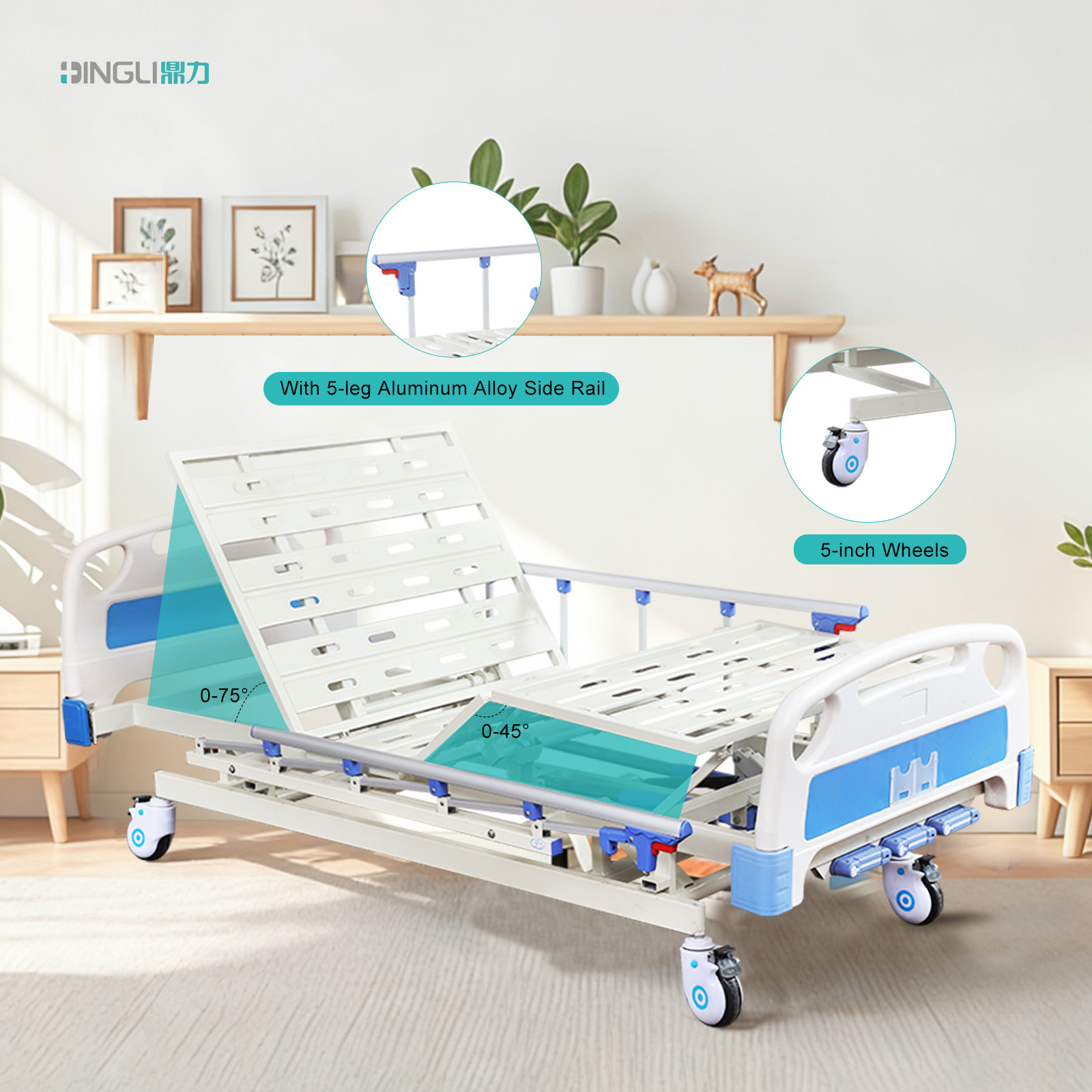
Historical adverse-event reviews found that Zones 1–4 accounted for most reported hospital bed entrapment incidents in the datasets examined.
Findings from FDA and Health Canada
The FDA and Hospital Bed Safety Workgroup focused on Zones 1–4 after reviewing reported entrapment events. In the FDA dataset, these four zones accounted for about 80% of reports.
Health Canada reached a similar conclusion when reviewing reports received between 1980 and April 2006. Zones 1–4 were involved in 72.5% of reported incidents and 73% of reported entrapment deaths.
These figures describe the historical reports reviewed by the agencies. They should not be treated as current global incidence rates.
Head and Neck Entrapment Risks
Zones 1–4 include openings where a patient’s head or neck may become trapped. Depending on the patient’s position and the shape of the gap, entrapment may restrict movement, breathing, or blood flow.
For this reason, FDA guidance provides specific dimensional recommendations and test methods for these four zones, including the 120 mm head dimension and the stricter 60 mm neck dimension used for Zone 4. These measurements must be applied using the relevant test procedures, not as standalone compliance checks.
How Mattresses Change Bed-System Gaps
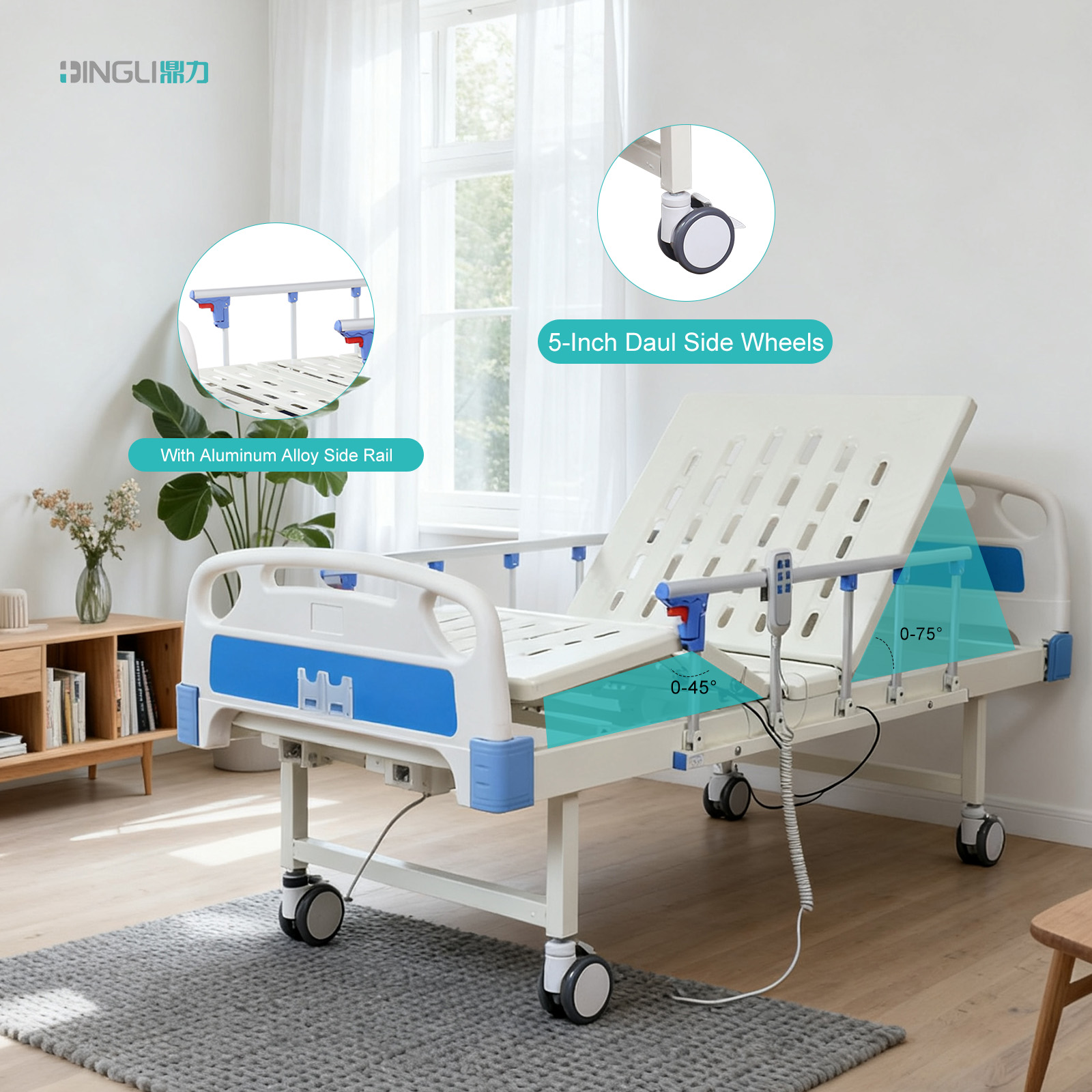
Mattress dimensions, compression, and movement can change the gaps between the mattress, side rails, and bed frame.
Mattress Size and Compression
A mattress must be evaluated as part of the complete bed system. Its width, length, thickness, and response under load can affect several entrapment zones. Buyers can also review our hospital bed size guide when comparing mattress and bed-frame dimensions.
- Width and Length: A mattress that is too narrow may increase the Zone 3 gap between the mattress and side rail. A mattress that is too short may leave a larger Zone 7 gap at the headboard or footboard.
- 두께: Mattress thickness affects the patient’s position relative to the side rails. A thinner or thicker replacement mattress may change openings under the rail or the usable height of the rail above the mattress surface.
- Compression: Soft foam and some pressure-relief or air mattresses compress more under load. This may increase the space beside or beneath a rail, particularly in Zones 2, 3, and 4.
Firmness alone does not determine compatibility. A firm mattress can still create unsafe gaps if its dimensions do not match the bed, while a pressure-relief surface may be suitable when it has been evaluated for the intended bed and rail configuration.
Mattress Movement and Edge Design
Mattresses may move laterally or longitudinally during repositioning, transfers, or bed articulation. These movements can temporarily increase gaps that appear smaller when the bed is unoccupied.
When assessing Zone 3 under FDA guidance, the mattress is moved away from the rail being tested to represent a larger potential gap. Movement toward the foot of the bed may also increase the space between the mattress and headboard, affecting Zone 7.
Some mattresses use reinforced edges, raised foam sections, or side bolsters to help maintain their shape and support patient positioning. However, these features do not automatically make a mattress compatible with every bed. Buyers should confirm the approved mattress dimensions, construction, and model combinations specified by the bed manufacturer.
사이드 레일, Headboards and Footboards
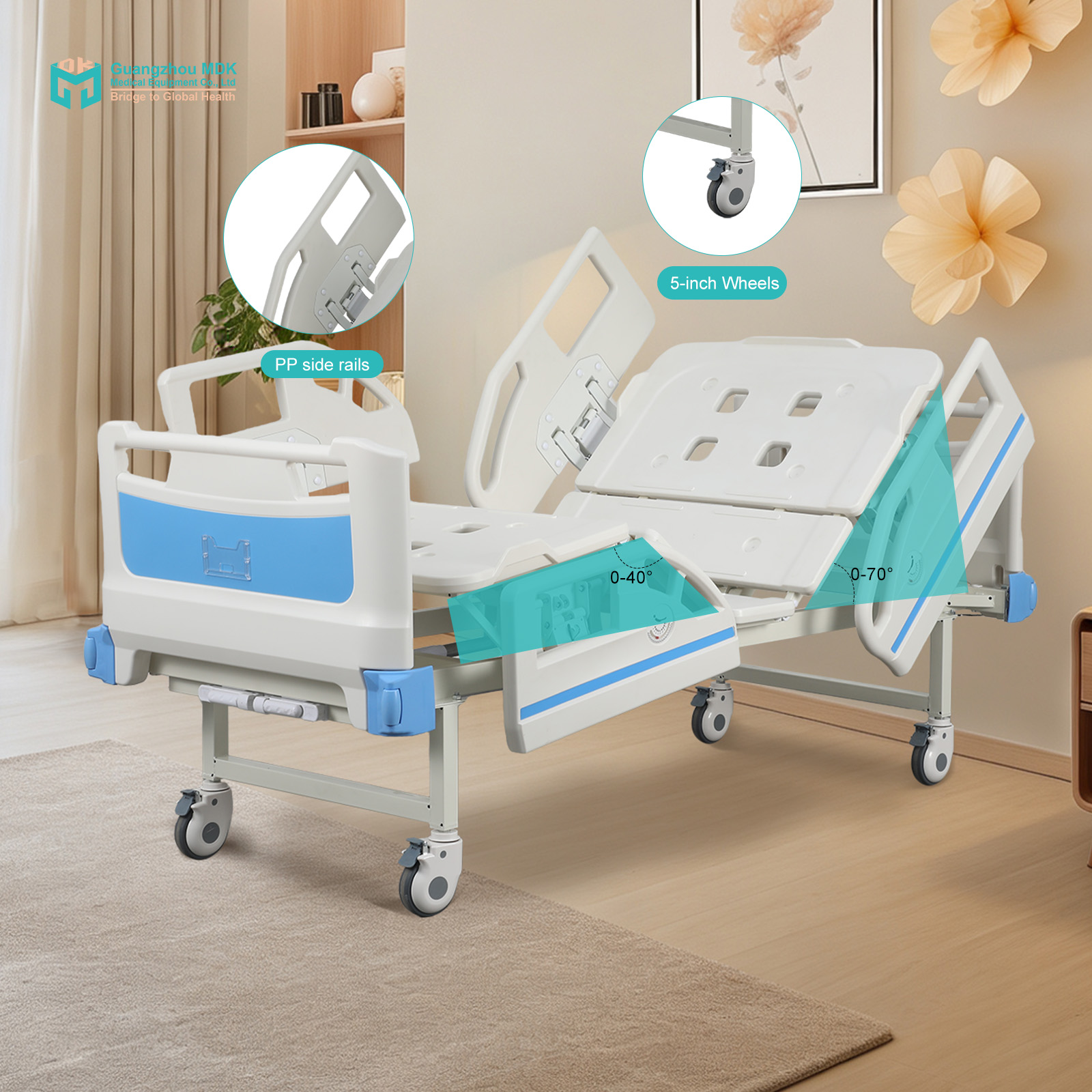
The design, position, and condition of side rails, headboards, and footboards affect the openings around the mattress and bed frame.
Component Design and Compatibility
Rail length, mounting position, and the spacing between structural components can affect several entrapment zones. For example, openings may occur within a rail, beneath it, between split rails, or between a rail end and the headboard or footboard.
Replacing a rail, headboard, or footboard with a different model may change these gaps, even if the replacement part fits mechanically. Loose mounts, bent rails, worn locking mechanisms, and incorrectly installed components can also affect the original bed configuration.
Buyers should confirm that the rails, boards, 섶나무 다발, and accessories are approved or otherwise documented as compatible with the specific bed model. Compatibility should be reviewed again when a component is replaced or the configuration is changed.
Procurement and Assembly Checks
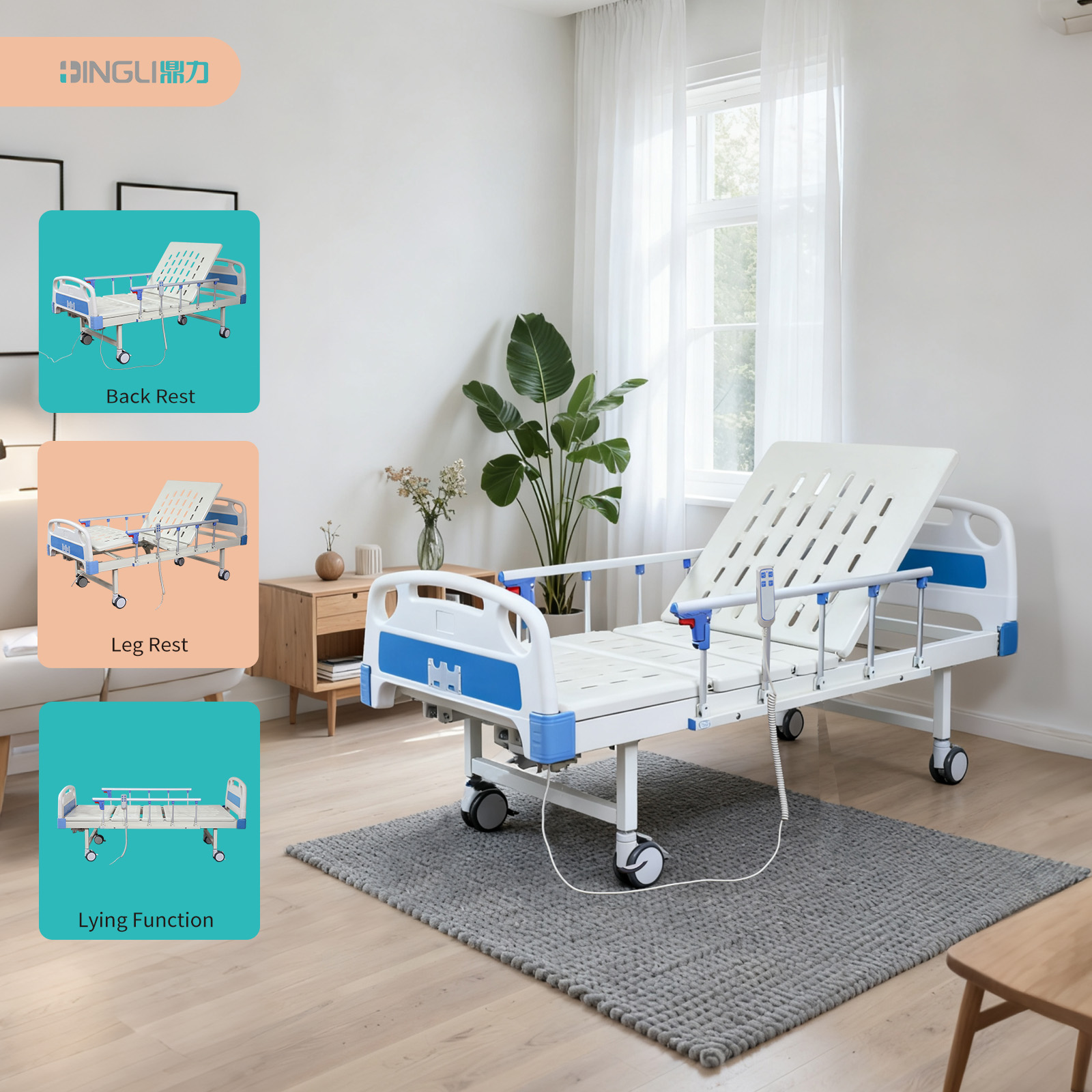
Buyers should evaluate the bed frame, side rails, 섶나무 다발, and accessories as a complete configuration rather than as separate products.
Verifying Compatibility During Procurement
Procurement documents should clearly identify the intended bed model and configuration. The required evidence will depend on the destination market, applicable standards, care setting, and purchasing specifications. For a broader review of applicable tests and supplier documents, see our guide to hospital bed safety standards.
- Review Available Test Information: Ask for relevant test reports or summaries that identify the bed model, rail configuration, 섶나무 다발, applicable standard or guidance, and test results. If FDA guidance is relevant, confirm that Zones 1–4 were assessed using its specified methods rather than relying only on nominal gap measurements.
- Request a Compatibility List: Confirm which mattresses, overlays, side rails, headboards, footboards, and accessories are approved or recommended for the bed model.
- Check the Instructions for Use: Review the IFU for mattress specifications, rail installation, compatible accessories, operating restrictions, inspection intervals, and warnings about component replacement.
- Confirm the Delivered Configuration: Make sure the model numbers and dimensions of the delivered bed, 섶나무 다발, rails, and accessories match the configuration covered by the supporting documents.
Entrapment Risk Checklist for Buyers
| Pre-Purchase Checks | Post-Purchase System Checks |
|---|---|
|
|
자주 묻는 질문
What are the hospital bed entrapment zones?
FDA and Hospital Bed Safety Workgroup guidance describes seven potential entrapment zones within and around a bed system. They include openings within or beneath the side rails and gaps between the rails, 섶나무 다발, headboard, and footboard. FDA provides specific dimensional recommendations and test methods for Zones 1–4.
Can changing the mattress increase entrapment risk?
예, changing a mattress can significantly increase entrapment risk. A mattress that is narrower, shorter, or more compressible than the one it replaces can create or widen hazardous gaps. For instance, a softer mattress can increase the space between the mattress and the side rail (Zone 3), while a thinner mattress can increase the gap underneath the rail (Zone 2).
How should hospital bed side rails be inspected?
Hospital bed side rails should be inspected as part of an integrated bed system assessment. The inspection also includes testing the rail’s mechanical stability, its latching mechanism, and its compatibility with the specific mattress and bed frame in use.
Is FDA entrapment guidance mandatory?
아니요, the FDA’s guidance on bed entrapment is not a legally mandatory regulation. It is a set of non-binding recommendations in the United States. Some local authorities may adopt it into their own requirements, making it mandatory in those jurisdictions. Globally, it is widely considered a best-practice benchmark that influences bed design and safety protocols.
When should a bed system entrapment assessment be repeated?
Compatibility should be reviewed when the mattress, side rails, headboard, footboard, or accessories are changed, or when wear or damage may have altered the bed-system gaps. Formal reassessment should follow the manufacturer’s instructions, applicable requirements, and the facility’s inspection procedures.
최종 생각
Hospital bed entrapment risk depends on how the frame, 섶나무 다발, side rails, headboard, footboard, and accessories work together. Buyers should confirm component compatibility, review the available test information, and follow the manufacturer’s instructions whenever the configuration changes.
Contact our team to compare compatible bed, 섶나무 다발, rail, and accessory options for your intended care setting. We can help you review product specifications and supporting documentation before placing your order.