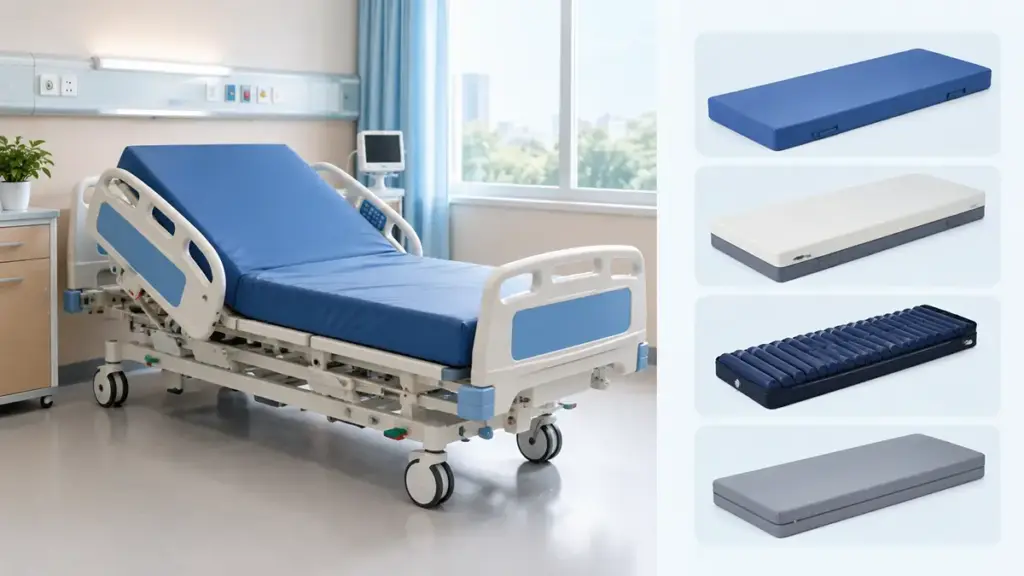
An electric hospital bed for elderly patients is a primary tool for controlling operational risk, specifically caregiver injury claims and staff turnover. Sourcing equipment based on price instead of ergonomic design exposes facilities to the high costs of manual patient handling, from back strain and burnout to compromised safety.
This analysis breaks down the features that reduce physical strain and improve facility efficiency. We examine how automated height adjustments, integrated locking mechanisms, and medical-grade durability directly lower the total cost of ownership while ensuring compliance with essential safety and performance standards.
Why do Elderly Patients Require Specialized Electric Beds?
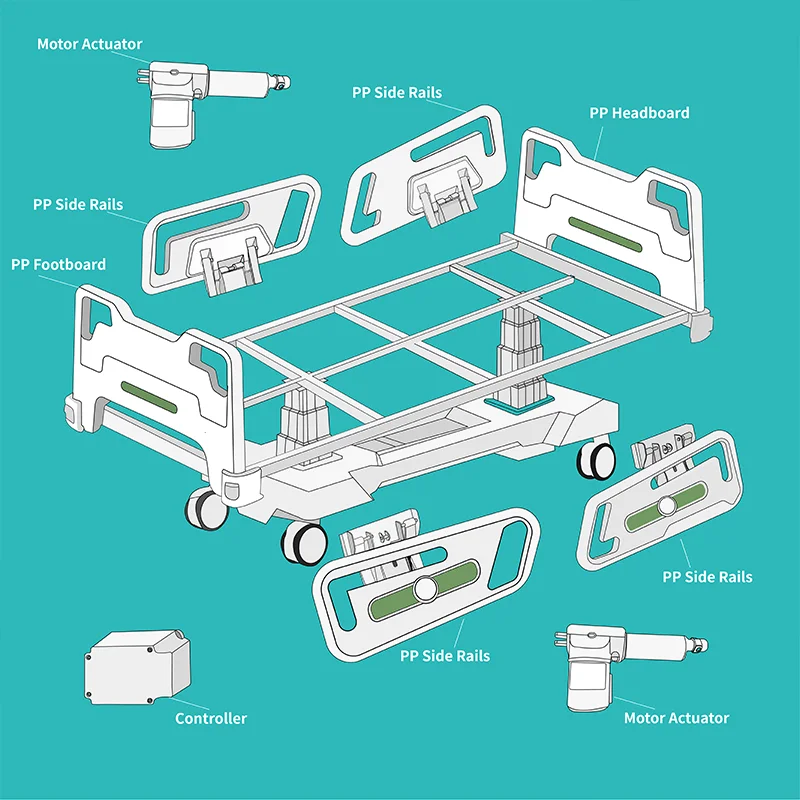
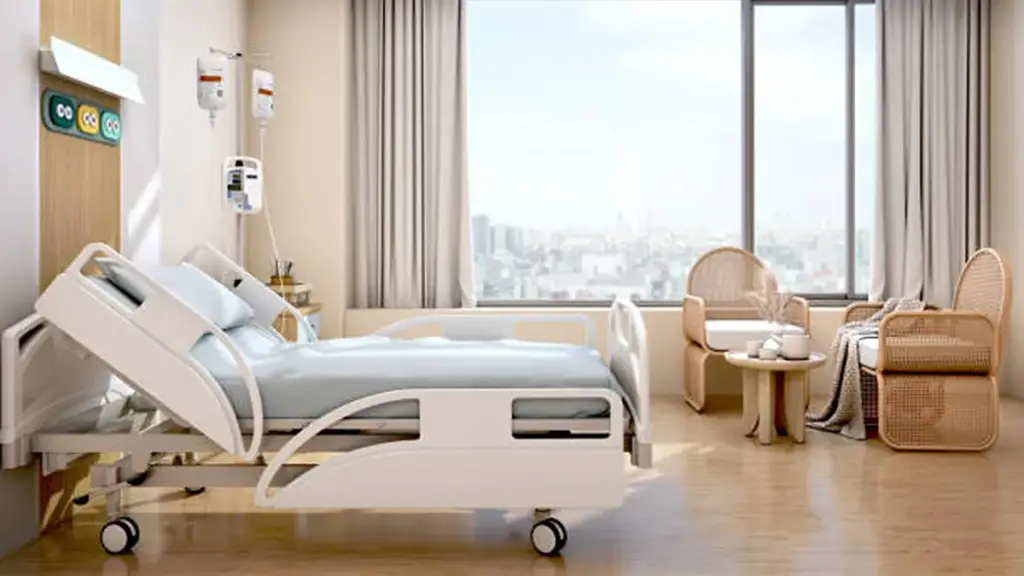
Elderly patients need specialized electric beds because standard beds cannot meet the complex clinical, safety, and caregiving demands that come with aging. Powered positioning and height-adjustable functions help manage chronic conditions, prevent injuries like falls and pressure ulcers, and support both patients and caregivers in hospitals, nursing homes, and at home.
Addressing Clinical Needs from Immobility and Chronic Disease
Aging often comes with chronic conditions like arthritis, heart failure, or COPD. These health issues require frequent repositioning to manage pain, ease symptoms, and improve comfort, something a standard flat bed cannot easily provide.
For patients who are bed-bound, the ability to change posture regularly is vital. Powered functions make it simple to redistribute pressure across the body, which is a key strategy for preventing painful and dangerous pressure ulcers.
Enhancing Safety, Independence, and Caregiver Support
Safety is a major concern, especially the risk of falls. Our height-adjustable (hi-low) beds can be lowered significantly, making it safer for patients to get in and out of bed. This simple function directly addresses one of the biggest safety risks for older adults.
These beds also protect caregivers. The bed can be raised to a comfortable working height for tasks like bathing or wound care. This eliminates the need for constant bending and stooping, significantly reducing the risk of back strain for care staff and family members.
How Does an Electric Bed Reduce Caregiver Strain?
An electric bed significantly reduces caregiver strain by automating the most physically demanding tasks. Motorized height and position adjustments eliminate heavy lifting and awkward bending, which protects caregivers from back strain and fatigue during daily routines like patient transfers and hygiene care.
| Benefit Area | How It Reduces Strain |
|---|---|
| Ergonomic Adjustments Minimize Physical Effort |
|
| Simplified Transfers and Routines Improve Safety |
|
Your One-Stop Partner for Certified Medical Equipment
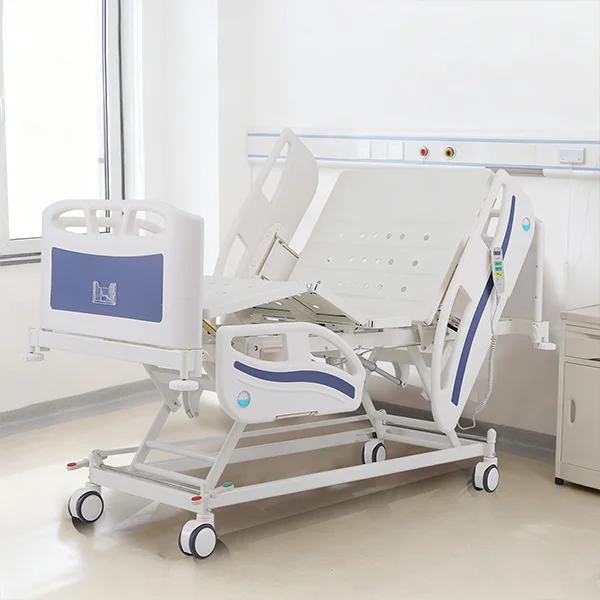
What features assist with respiratory?
Our beds assist with respiratory function through upper body elevation and stable positioning. Raising the torso eases pressure on the diaphragm for more comfortable breathing, while a stable frame provides essential support for using therapies like CPAP machines, ensuring the patient can maintain an open airway.
Upper Body Elevation for Improved Lung Function
Raising the upper body to a semi-upright position of 30–45 degrees eases pressure on the diaphragm. This allows for better lung expansion and makes breathing more comfortable for anyone with respiratory compromise.
Adjusting the leg and knee sections also improves circulation and overall comfort. This helps patients tolerate upright, breathing-supportive positions for extended periods without discomfort.
Stable Positioning and Support for Respiratory Therapies
A stable bed is vital for using respiratory devices like CPAP machines. Our memory presets help patients easily return to a position that keeps their airway open and ensures a good mask seal for effective therapy.
Side rails give patients the leverage to shift their position or sit up quickly during episodes of shortness of breath. This simple action can help them clear secretions from the lungs without needing assistance.
Simple remote controls allow patients to adjust the bed’s position with minimal effort. This is critical for anyone who becomes breathless easily, giving them immediate control over their own comfort and breathing.
Integrated Locking Mechanisms Prevent Accidental Falls
Our integrated locking mechanisms combine wheel brakes, side rail latches, and control panel lockouts to create a stable and secure platform. This system prevents the bed from moving unexpectedly during transfers and stops accidental adjustments, which significantly reduces the risk of patient falls.
Key Locking Components and Their Functions
Our beds feature a multi-layered locking system designed to work together to ensure patient safety at all times. Each component has a specific role in preventing movement and securing the patient.
- Wheel and Caster Brakes: These prevent the bed from rolling or swiveling during transfers or when a patient uses it for support. Many of our systems use a central foot pedal to lock multiple wheels at once, creating a reliably fixed base.
- Side Rail Locking Latches: Securely latched side rails provide a stable hand-hold for repositioning and help keep patients from accidentally rolling out of bed, which is particularly important for those who are weak or confused.
- Control Panel and Handset Lockouts: This function lets caregivers disable adjustments on the patient’s controller. It prevents accidental changes to bed height or position that could create an immediate fall risk.
How Locking Systems Work Together to Ensure Safety
By integrating these locks, we create a safer environment that protects patients during their most vulnerable moments, such as transfers and unassisted repositioning.
- Stabilizes the Bed During Transfers: With the wheels locked, the bed becomes a fixed base. This stops it from sliding away when a patient sits on the edge, stands up, or moves to a wheelchair, eliminating dangerous “slip-away” events.
- Prevents Risky Bed Adjustments: Caregiver lockouts ensure the bed remains in a safe configuration. This avoids sudden movements that could shift the patient unexpectedly or encourage them to climb over a rail.
How Does Automated Profiling Simplify Daily Clinical Routines
Automated profiling in our electric beds simplifies daily routines by replacing manual crank operations with electronic controls. Caregivers can adjust the bed’s height, backrest, and leg sections with a remote, which reduces physical effort, speeds up patient handling, and makes tasks like transfers and hygiene care safer and more efficient.
Streamlines Routine Patient Handling and Care Tasks
Our beds feature electronic controls that allow staff to quickly adjust bed height, backrest, and leg sections. This eliminates the slow and physically demanding process of using manual cranks, making positioning tasks faster and more precise.
Automated height adjustment facilitates safer patient transfers. By aligning the bed perfectly with wheelchairs or chairs, caregivers can move patients with less effort and a reduced risk of injury for both themselves and the patient.
Reduces Physical Strain and Supports Patient Independence
The automation of frequent patient repositioning minimizes the heavy lifting and bending that cause physical strain. This is especially valuable in long-term care, where repeated adjustments can lead to back injuries and staff fatigue.
Using a simple remote, they can adjust their own position for activities like reading or watching TV, which promotes autonomy and dignity while reducing calls for assistance.
This improved workflow efficiency allows staff in nursing homes and hospitals to complete routine tasks faster. By spending less time on physical handling, they can dedicate more time to direct patient care and observation.
Long-term Equipment Durability Essential in Aged Care
In aged care, equipment durability is a primary operational concern. Beds used for long-term care are a significant investment and must withstand continuous, 24/7 use for many years. Choosing a durable bed ensures resident safety, lowers the total cost of ownership by minimizing repairs, and reduces the risk of caregiver injury.
Design Features That Drive Long-Term Durability
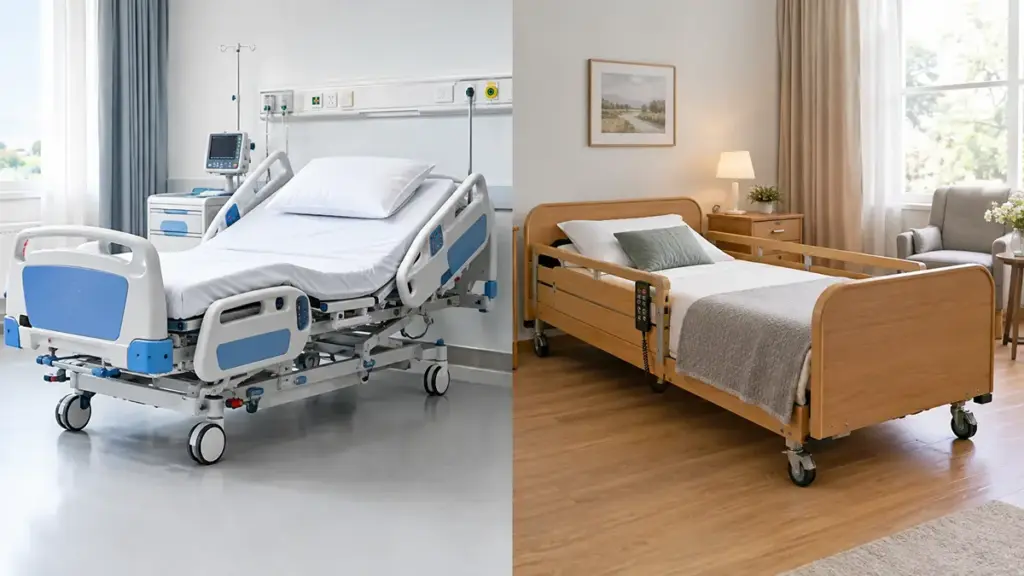
Beds built for aged care are not the same as consumer models. They integrate specific medical-grade components designed to handle the high demands of a facility environment. These features are fundamental to a bed’s lifespan and its ability to remain safe and functional year after year.
- Reinforced Frames & Welds: Our beds use reinforced steel frames and robust welds built to withstand daily repositioning and support higher occupant weights over many years. This structural integrity prevents bending or fatigue from constant use.
- Durable Mechanisms: The hi-low and positioning mechanisms rely on durable linkages and joints. These parts maintain stability and prevent wobbling or misalignment, even after repeated use by multiple caregivers each day.
- Heavy-Duty Hardware: Components like heavy-duty casters and secure side rail locking mechanisms are chosen to resist wear and metal fatigue. This is critical for beds that are frequently moved for cleaning or repositioned within a room.
Why Durability Impacts Care Quality and Costs
For a care facility, a bed’s durability directly influences resident safety, staff well-being, and the operational budget. A well-built bed provides value far beyond its initial price by mitigating long-term risks and costs.
- Lower Total Cost of Ownership: Beds with an expected 10-15 year lifespan reduce the total cost of ownership. They minimize the frequency of costly repairs and full replacements, leading to more predictable capital expenditures.
- Caregiver Injury Prevention: Smooth, dependable powered adjustments help reduce the physical strain on caregivers during daily repositioning tasks. Durable equipment lowers the risk of staff musculoskeletal injuries and associated workers’ compensation claims.
How to Source Certified Electric Beds for Senior Care?
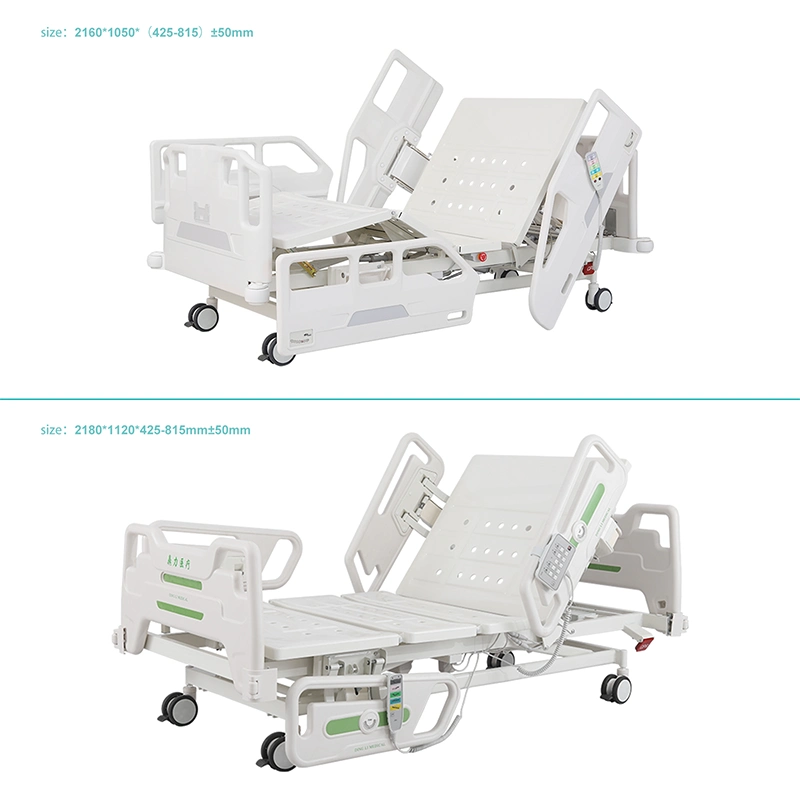
Sourcing certified electric beds requires a structured approach focused on safety, compliance, and long-term value. You should verify beds meet international hospital standards (like IEC/EN) and demand documented proof of electrical safety. Partnering with specialist medical suppliers who provide multi-year warranties and long-term support is essential for ensuring durability and operational reliability in a senior care setting.
Verifying Core Certifications and Functional Requirements
When sourcing beds for senior care, begin by confirming they are certified to international hospital standards, such as IEC/EN series for medical equipment. This ensures the beds are designed for medical-grade safety and performance, not just consumer comfort. Many premium models suitable for aged care are explicitly marketed as certified to these higher standards.
You must request and review documentary proof of compliance for all electrical components. Ask potential suppliers for certificates of conformity and detailed electrical safety test reports for motors, control units, and wiring. This documentation is critical for risk management and proves the equipment meets healthcare regulations.
Functionality should align with clinical needs. Essential features include hi-low height adjustment, which allows the bed to be lowered for fall prevention and raised to an ergonomic height for caregiver tasks. Also, ensure the bed platform is compatible with specialized pressure-relief mattresses to protect skin integrity for residents with limited mobility.
Evaluating Suppliers and Procurement Strategies
Choose suppliers that specialize in medical and senior care equipment rather than generic furniture sellers. Specialist suppliers understand the rigorous demands of a healthcare environment and are more likely to provide equipment that meets all necessary certifications and clinical standards, reducing your facility’s liability.
Assess the equipment’s durability to gauge its total cost of ownership. Check the expected lifespan of the motors and ask for multi-year warranties, as premium systems often include coverage for up to five years. A durable bed with a 10-15 year lifespan reduces repair frequency and protects your capital investment.
Confirm that the supplier offers robust long-term support. This should include planned preventive maintenance schedules, guaranteed availability of spare parts like motors and handsets, and on-site staff training. Reliable service minimizes equipment downtime and ensures your team can operate the beds safely and effectively.
Final Thoughts
Opting for lower-cost, non-certified beds introduces significant long-term risks from equipment downtime and caregiver injury claims. A medical-grade electric bed is a capital investment designed to protect your residents, staff, and budget. This decision defends your operational stability and lowers the total cost of ownership.
Do not base a critical procurement decision on spec sheets alone; verify the build quality and certifications firsthand. Contact our team to review our full product catalog, discuss OEM requirements, or arrange a trial for your facility. Let’s equip your operation for safety and efficiency.
Frequently Asked Questions
Why do elderly patients need an electric hospital bed?
Older adults often need an electric bed when conditions like arthritis, chronic pain, or post-surgical recovery make using a standard bed difficult. These beds allow for easy repositioning to prevent pressure injuries and manage pain. They also feature height adjustments for safer transfers and elevated positions to aid breathing, improve circulation, and increase overall comfort.
What is the safest height for an elderly person’s bed?
The safest bed height allows the person’s feet to rest flat on the floor while seated on the edge, with their knees at a 90-degree angle. Adjustable-height beds are ideal because they can be lowered for safe transfers and raised to an ergonomic height for caregiver assistance. For high fall-risk patients, the bed can be left in its lowest position during sleep to reduce injury severity.
How does a profiling bed benefit a patient with limited mobility?
A profiling bed uses adjustable head, back, and leg sections to support patients with limited mobility. This allows precise positioning for comfort and pressure relief, which is key to preventing skin breakdown. It also enables them to sit up for meals or activities and can be adjusted to a chair-like position, which makes getting in and out of bed safer and easier.
Can a full electric bed prevent elderly falls?
A full electric bed is an important tool for reducing fall risk, but it cannot prevent all falls. Its height adjustability allows the bed to be set at a safe level for getting in and out. Locking wheels add stability, and properly used side rails help prevent accidental roll-outs. Still, these features work best as part of a broader safety plan that includes supervision and a clear environment.
Is an electric nursing bed easy for seniors to control?
Most electric beds are designed for simple operation, usually with a hand pendant that has large, clear buttons. The controls are generally intuitive for users. For patient safety, caregivers can often lock certain functions to prevent accidental unsafe adjustments. Ease of use depends on the individual’s cognitive ability and hand dexterity, but the design goal is simplicity.
What features should an electric bed have for care?
Key features include full electric controls for the height, back, and leg sections to support positioning and reduce manual lifting. An adjustable height (hi-low) function is vital for safe patient transfers and caregiver ergonomics. Other important features are a profiling mattress platform for pressure management, sturdy locking wheels for stability, and appropriate assist rails for mobility support.