A home care bed for the elderly is essential medical equipment in long-term care, but sourcing one without a system-based evaluation creates direct risks. Mismatching the frame, mattress, and rails leads to higher fall rates and caregiver injuries, creating safety liabilities for both families and healthcare distributors.
This guide provides the data to assess those risks. We analyze the specifications that define safety and function, from hi-low height adjustment for caregiver ergonomics to the gap measurements (typically under 120 mm) required to reduce entrapment risk—the difference between a compliant bed system and a high-risk liability for wholesale buyers, OEM brand owners, and care-facility procurement teams.
What Is a Home Care Bed for the Elderly
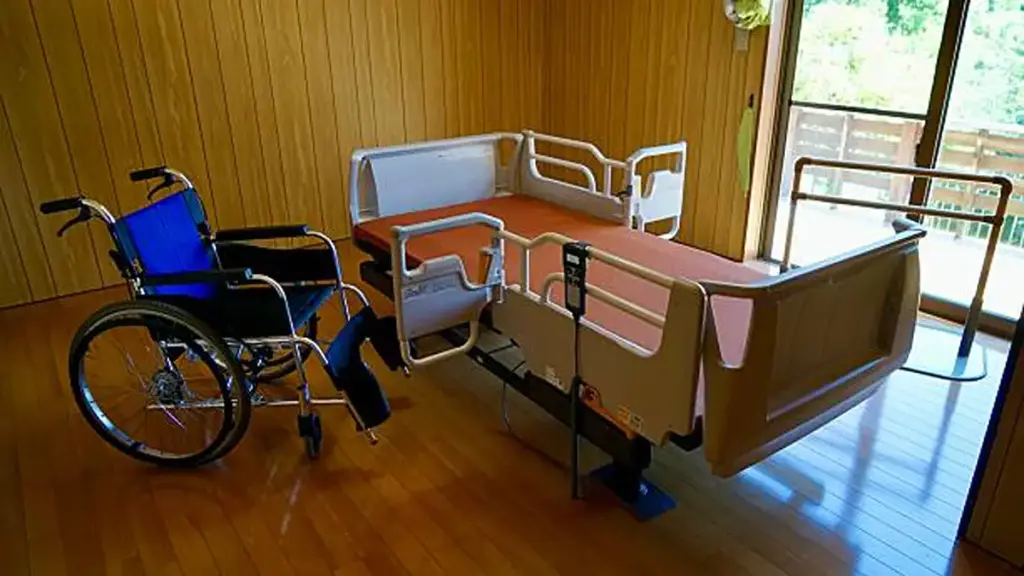
A home care bed blends hospital bed functions with a residential design. It is built to improve safety for the user and make daily tasks easier for caregivers.
Core Definition and Purpose
A home care bed is a medically designed adjustable bed for older adults receiving long-term care at home or in an assisted living facility. It merges hospital bed functions—head and foot elevation, height adjustment, and safety rails—with a design suited to a residential environment.
The goals are to maintain comfort for users who spend long hours in bed, reduce fall risk, and make daily care tasks easier for caregivers. This equipment is a central component of aging in place, allowing many seniors to receive continuous care at home instead of moving to an institutional facility.
Typical Use Cases and Scenarios
- Frail seniors with mobility limitations who need help getting in or out of bed safely.
- Individuals with chronic conditions like Parkinson’s, stroke, or advanced arthritis who require long-term bed rest.
- Patients recovering at home after a major surgery, such as a hip or knee replacement.
- Elderly individuals needing palliative or end-of-life care, where comfort and pain management are the top priorities.
Key Features for Elderly Home Care

The right features balance adjustability for comfort and caregiver access with integrated safety measures for fall prevention and skin health—the essentials for effective long-term home care.
When you are evaluating a home care bed, do not get distracted by bells and whistles. The practical, day-to-day functions are what make the difference in safety and quality of life. The core features fall into two categories: adjustability and safety.
Essential Adjustability for Comfort and Access
Adjustability is not just for comfort; it is a clinical and ergonomic tool. The ability to change the bed’s position directly impacts breathing, circulation, and the physical strain on caregivers.
- Full electric adjustment for the head and legs supports daily activities like eating and socializing. It is also crucial for improving circulation and taking pressure off the lower back.
- A hi-low height function is essential. Lowering the bed makes getting in and out safer for the user, while raising it to waist level allows caregivers to assist without risking back injury.
- Intuitive remote controls with large, clear buttons allow both the user and the caregiver to operate the bed easily and safely, reducing the chance of errors.
Integrated Safety and Support Features
A home care bed’s primary function is to provide a safe environment, especially for users with limited mobility or cognitive impairment. These features are built into the bed’s core design.
- Side rails or guards are essential for preventing falls, but modern designs focus on reducing entrapment risks. They should be sturdy yet easy to lower for access.
- A sturdy frame with effective locking wheels keeps the bed from moving during transfers. This stability is critical when a person is sitting on the edge or being moved with a lift.
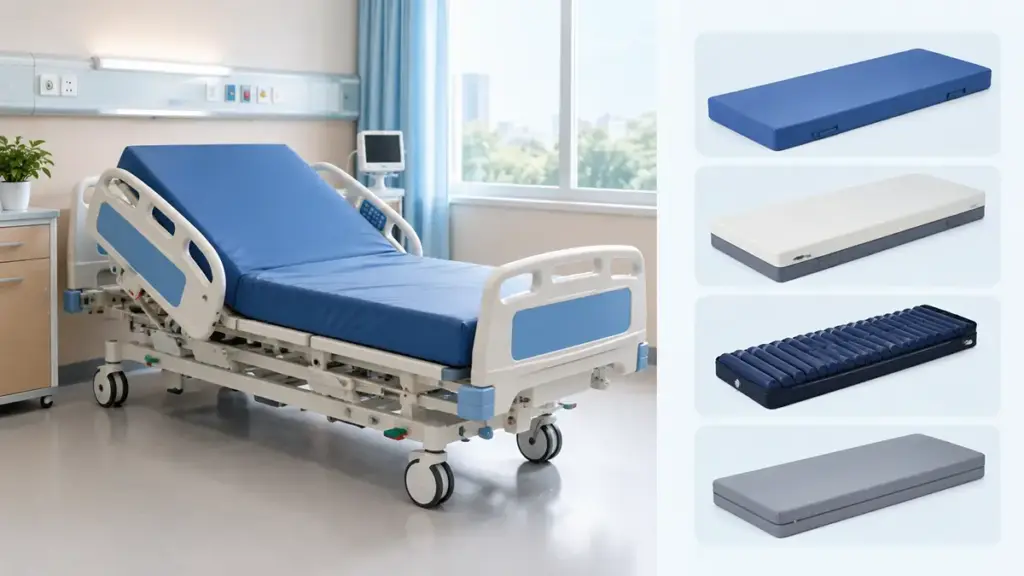
- The frame is designed to be used with pressure-relief mattresses. This compatibility is key for preventing pressure sores (bedsores) for anyone spending extended time in bed.
Electric vs Manual Home Care Beds
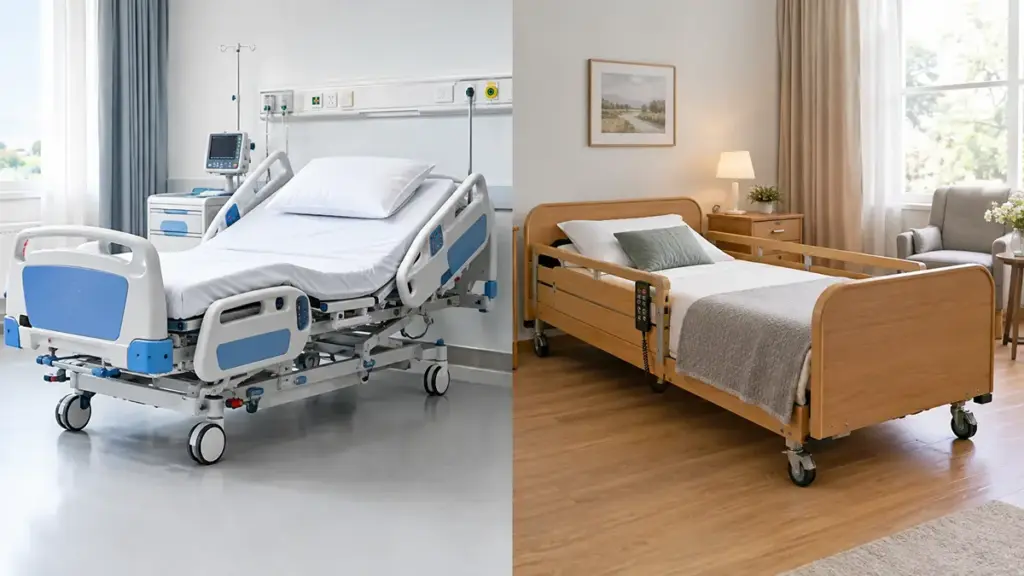
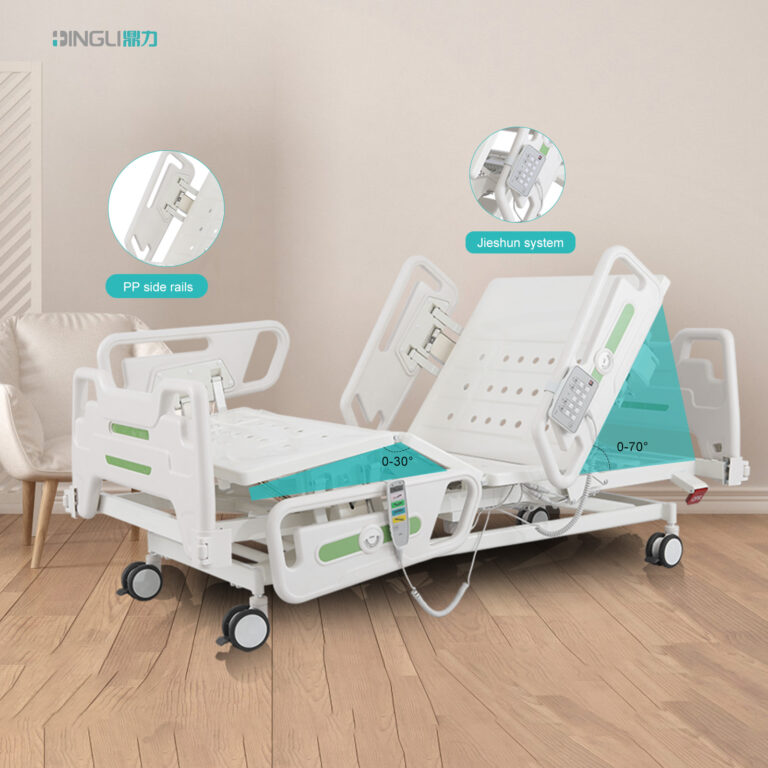
Electric beds give patients independence and save caregivers from physical strain, but cost more. Manual beds are cheaper and simpler, but demand significant physical work from caregivers.
Adjustability Method and Patient Independence
The fundamental difference is how the bed moves. An electric bed uses motors controlled by a remote, so the patient or caregiver can make smooth, precise adjustments at the push of a button. A manual bed relies on hand cranks that a caregiver must physically turn.
This directly impacts patient independence. With an electric bed, an elderly person who can use a remote controls their own comfort—sitting up to read or lying back down without calling for help. That autonomy matters for dignity in long-term care. A manual bed removes it entirely: the patient must wait for a caregiver for every adjustment.
Caregiver Workload, Cost, and Maintenance
For caregivers, an electric bed is a back-saver. Adjusting height for safe transfers or repositioning a patient happens with a button press, not physical exertion, which substantially reduces musculoskeletal strain. Manual beds place the full burden on the caregiver; repetitive cranking, especially with a heavier patient, is physically taxing and slow.
The trade-off is clear when it comes to cost and upkeep.
- Cost: Electric beds have a higher upfront purchase or rental price due to their motors and electronics. Manual beds are the budget-friendly option, with significantly lower costs.
- Maintenance: Manual beds are mechanically simple, with fewer parts that can break down. They do not need electricity, which makes them reliable during power outages. Electric beds have more complex components—motors, control boxes, wiring—that may require service or replacement over time.
A manual bed’s hidden cost is the physical toll on the caregiver and the time consumed during care routines. For long-term or high-needs care, the efficiency and safety benefits of an electric bed often justify the higher price.
Safety Features That Matter Most

Real safety is not one gadget. It is an integrated system: a low-height frame, correctly-fitted rails, and a supportive mattress working together to manage falls, entrapment, and skin integrity.
Guards Against Falls and Entrapment
Side rails are a double-edged sword. They reduce the risk of rolling out of bed but introduce entrapment risk if not implemented correctly. The industry now treats the bed, mattress, and rails as a single “bed system” where all components must be compatible. For a zone-by-zone breakdown of the seven entrapment areas regulators watch, see our companion article on hospital bed entrapment zones.
The critical check is gap measurement under load. Two rules apply, based on the Health Canada Adult Hospital Beds guidance (jointly developed with the U.S. FDA Hospital Bed Safety Workgroup):
- The gap between the side rail and the compressed mattress should typically stay below 120 mm (about 4.75 inches) to reduce the risk of head entrapment.
- The gap between the end of the rail and the headboard or footboard should typically stay below 60 mm (about 2.4 inches) to reduce the risk of neck entrapment.
A modern, often safer approach is the low-height bed, which can lower to roughly 15–25 cm (6–10 inches) from the floor. This substantially reduces fall impact distance—more effective than relying on high rails alone to contain a person.
Support for Mobility and Pressure Care
A home care bed is a mobility tool, not just a place to sleep. Full-electric hi-low adjustment is the single most important feature for user safety and caregiver ergonomics: the bed lowers for safe entry and exit, then raises to a working height so caregivers can provide care without straining their backs. Optimal transfer height is typically 20–24 inches from floor to mattress top, letting the user sit with feet flat before standing.
For pressure care, a pressure-relief mattress is only half the battle—frame positioning is just as crucial. Poor positioning creates shear forces that damage skin even on a good mattress. Keeping the head of the bed elevated at 30 degrees or less is commonly recommended to reduce tissue deformation on the lower back and tailbone. Frequent, small position adjustments on a compatible frame are what actually protect skin integrity.
Mattress and Side Rail Compatibility
The bed frame, mattress, and side rails are a single system. Mismatching components creates serious entrapment risks, and any change requires a complete safety re-evaluation.
The Role of the Mattress in System Safety
The mattress is not just a comfort item; it is an active component in the bed’s safety system. Its dimensions and properties directly influence the risk of falls and entrapment. Getting this wrong introduces immediate liability.
- The mattress must precisely match the frame’s specified length and width. Undersized mattresses create gaps along the rails or at the head and foot.
- Thickness is critical: a mattress that is too thick can drop effective rail height below the manufacturer’s minimum, turning a safety rail into a fall hazard.
- Softer or highly compressible mattresses create larger gaps under load. Measure the rail-to-mattress gap while compressed, not when the bed is empty.
- Any replacement mattress not approved by the bed’s manufacturer requires a full re-evaluation of entrapment gaps—same size does not mean same performance. See our hospital bed mattress compatibility guide for dimensional test methods and thickness-to-rail-height charts.
Side Rail Design and Its Interaction with the Mattress
Side rails are designed to work with a specific range of mattresses. Their effectiveness depends entirely on maintaining correct dimensions and stability relative to the mattress surface.
- Rails should typically keep an effective height of at least 220 mm (about 8.7 inches) above the compressed mattress, per IEC 60601-2-52. Less than that fails to contain the user.
- Rail length—full-length versus shorter assist rails—balances containment against the user’s ability to enter and exit safely.
- Bar spacing or openings within the rail should not exceed 120 mm; the stricter 60 mm maximum is recommended to reduce limb and head entrapment risk.
- Rails must be securely attached. Any looseness can dynamically change gap dimensions during use and undermine system integrity.
How to Match a Bed to Care Needs
Matching a bed requires a clear assessment of the person’s mobility, health risks, and care environment. This data translates directly into specific bed features.
| Assessing the Person’s Specific Needs | Translating Needs into Bed Specifications |
|---|---|
|
Mobility and Transfers
|
Required Features
|
|
In-Bed Care and Repositioning
|
Required Features
|
|
Pressure Injury Risk
|
Required Features
|
|
Fall Risk and Behavior
|
Required Features
|
|
Caregiver and Environment
|
Required Features
|
From RFQ to Delivery: A Five-Step Procurement Path
For wholesalers, distributors, and OEM brand owners sourcing home care beds at volume, a controlled procurement path prevents costly mismatches and keeps every unit inside its certified configuration:
- RFQ & Specification Sheet. Request dimensional specs, rail interface drawings, motor brand and cycle rating, load test reports, and certifications (ISO 13485, ISO 9001, CE, FDA registration where applicable).
- Sample Approval. Install the sample bed in your own test environment, run compressed-state gap checks at rail-to-mattress and rail-end zones, and verify effective rail clearance meets the 220 mm minimum against your target mattress.
- Specification Freeze. Lock frame dimensions, motor configuration, voltage and plug type, rail SKU, mattress pairing, labeling, packaging, and private-label artwork in a written spec sheet signed by both parties.
- Pre-Shipment Inspection. Verify production units against the frozen spec and approved sample using AQL sampling and, where applicable, dynamic load and hi-low cycle checks.
- Delivery & After-Sales. Confirm warranty terms (3-year frame plus lifetime parts availability is the current benchmark), spare-parts lead time, and technical-support response windows before the container ships.
Frequently Asked Questions
What is the best bed for an elderly person at home?
For most elderly users at home, a full-electric hi-low home care bed with secure rails, locking casters, and a compatible pressure-relief mattress offers the strongest mix of safety, mobility support, and caregiving ease. For users with dementia or a documented fall history, an ultra-low bed (deck typically 25 cm or lower) is often the safer configuration.
Are home care beds covered by Medicare?
Medicare Part B typically covers home care hospital beds as durable medical equipment (DME) when strict medical criteria are met and the product holds FDA registration. Coverage is usually limited to basic manual or semi-electric models, with the patient responsible for 20% of the Medicare-approved amount after the deductible. Overseas distributors targeting this channel should confirm HCPCS code alignment before ordering.
What is the difference between a hospital bed and a home care bed?
A hospital bed is clinical-grade, built for acute medical environments with heavy-duty construction, advanced positioning (Trendelenburg, CPR release), and higher load ratings. A home care bed is optimized for residential long-term use—quieter motors, warmer finishes, and a narrower footprint for standard doorways—while retaining IEC 60601-2-52 safety compliance.
How high should a bed be for an elderly person?
The safest transfer height is typically 20–24 inches (about 50–60 cm) from floor to mattress top, so the person can sit on the edge with feet flat and knees bent at roughly 90 degrees before standing. For users at high fall risk, an ultra-low bed that drops to 6–10 inches is often specified instead, paired with impact-absorbing floor mats.
Are electric beds better for elderly people?
Electric beds are usually better in home care when mobility, caregiver support, comfort, or pressure-injury prevention are priorities—provided the setting has stable power and a safe setup with the right mattress and repositioning schedule. In cost-sensitive or low-power-reliability markets, a manual or semi-electric bed may be the more practical choice.
Final Thoughts
Lower-cost beds often ignore system compatibility. Mismatched frames, mattresses, and rails create significant liability from entrapment and fall risks. Adhering to the specifications in this guide is the most reliable way to protect users, caregivers, and your business’s reputation.
You now have the framework to evaluate quality beyond the spec sheet. Request our product catalog to compare these standards against our compliant designs, and contact our team for wholesale pricing or OEM scope—MOQ 1 for sampling, 7–10 day standard lead time, and 40HQ mixed-container loading supported.