The medical air mattress vs regular mattress decision directly impacts your facility’s financial liability. A single preventable pressure ulcer can trigger treatment costs that eclipse the price of dozens of preventative systems, turning a poor equipment choice into a significant operational and budget drain.
This analysis benchmarks both mattress types on their core functions: active pressure redistribution and microclimate management. We compare the fixed acquisition cost of a medical air system against the escalating labor demands and direct medical expenses of ulcer treatment, providing a clear financial framework for your procurement process.
Understanding Bedsores and Who Is at Risk
Bedsores are tissue injuries from unrelieved pressure. They primarily affect people who can’t move easily, like those who are bedridden, chair-bound, or have severe frailty.
What Are Bedsores and How Do They Form?
Bedsores, also called pressure ulcers or pressure injuries, are localized damage to the skin and underlying tissue. They happen when prolonged pressure, combined with friction or shear forces, cuts off blood flow to a specific area. This typically occurs over bony parts of the body like the hips, tailbone, heels, and shoulder blades.
Key Groups and Factors That Increase Risk
Some people are far more susceptible to developing bedsores. The primary risk is an inability to reposition oneself, which concentrates pressure on the same spots for too long. Key groups at high risk include:
- People who are bedridden or on extended bed rest due to illness, surgery, or a coma.
- Wheelchair users or individuals who are chair-bound, especially if they can’t shift their weight regularly.
- Older adults, particularly those in nursing homes with limited mobility and multiple health issues.
- Individuals with conditions that limit movement, such as spinal cord injuries, stroke, or advanced dementia.
Beyond these core groups, several other factors can weaken the skin and make it more vulnerable to pressure damage:
- Poor nutrition or dehydration. Malnourished skin lacks the protein and vitamins needed for resilience and repair.
- Incontinence. Excess moisture from sweat, urine, or stool softens the skin, making it more fragile and susceptible to friction.
- Impaired sensation. Conditions like neuropathy or spinal cord injury can prevent a person from feeling the discomfort that would normally prompt them to move.
- Poor circulation. Diseases that affect blood flow, such as diabetes and peripheral artery disease, reduce the tissue’s ability to tolerate pressure.
Why a Standard Mattress Fails for Pressure Injury Prevention
Standard mattresses are built for general comfort, not medical pressure management. They concentrate pressure, trap moisture, and degrade unpredictably, directly contributing to skin breakdown.
Poor Biomechanical Support and Pressure Distribution
A standard mattress doesn’t spread body weight effectively. It concentrates pressure on bony areas like the sacrum, hips, and heels, which is a primary cause of tissue breakdown. The surface pushes back against the body instead of letting it sink in and be cradled. This poor immersion and envelopment creates dangerous pressure peaks on vulnerable spots.
Harmful Microclimate and Material Degradation
The closed-cell foam and basic covers on most standard mattresses create a harmful microclimate. They trap heat and moisture from sweat or incontinence, softening the skin and making it much more susceptible to injury. Unlike a medical support surface, a regular mattress has no dynamic features like alternating pressure cycles or active air circulation to keep the skin cool and dry.
Performance degrades unpredictably because a standard mattress isn’t managed as a medical device. The foam breaks down and sags over time, leading to “bottoming out”—where the body’s weight is no longer supported and presses directly against the hard bed frame. This inconsistent support creates new, unforeseen pressure points.
Your One-Stop Certified Medical Equipment Supplier
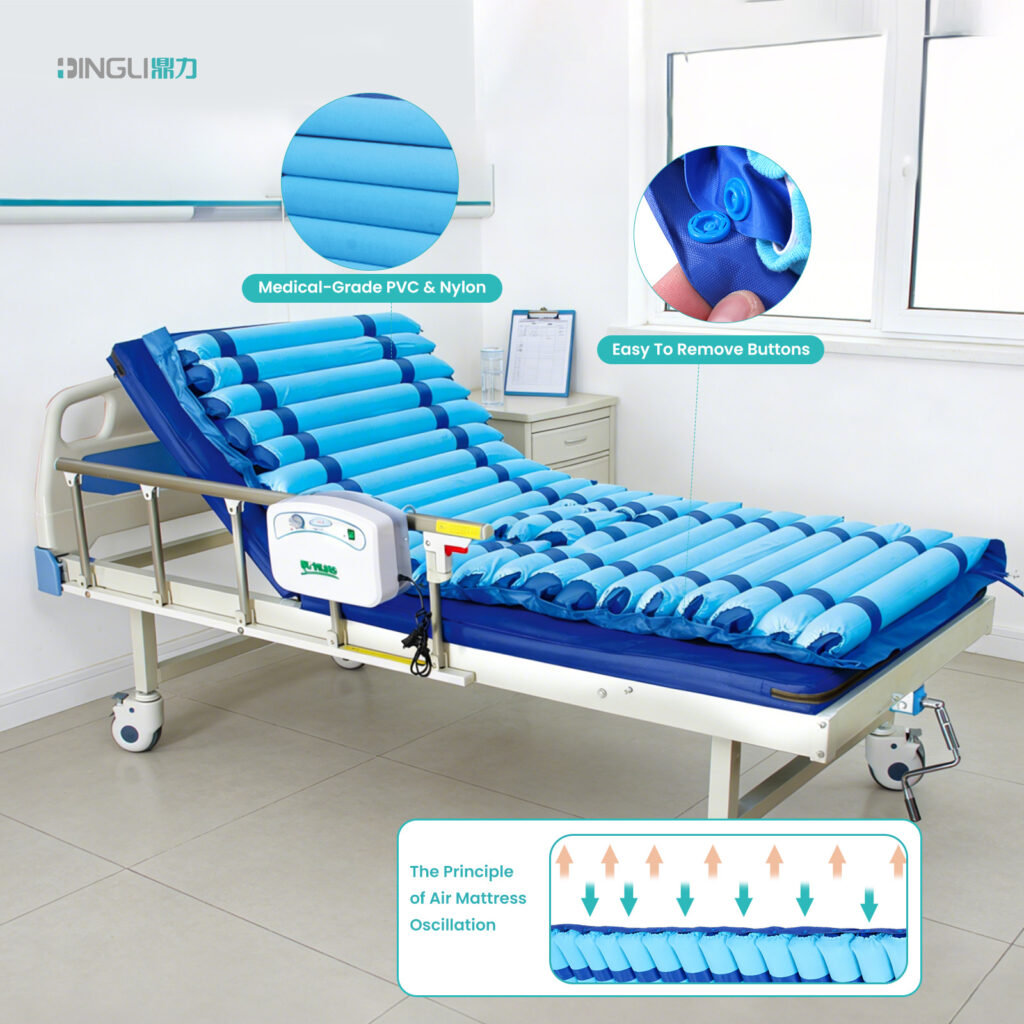
How Anti-Bedsore Air Mattresses Work: The Science of Alternating Pressure
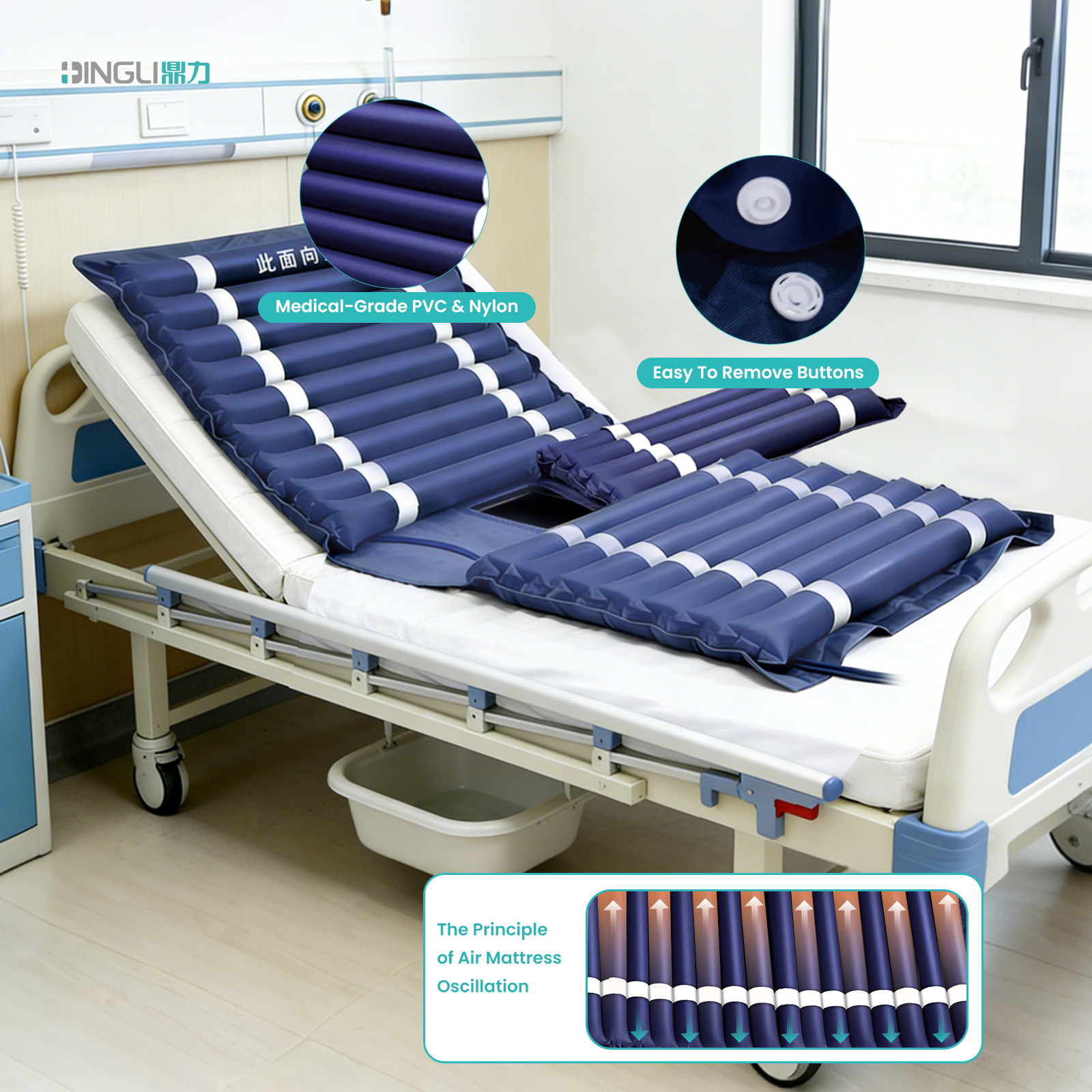
Alternating pressure mattresses cyclically inflate and deflate air cells, constantly shifting body weight to prevent sustained tissue compression and restore blood flow to vulnerable skin areas.
Pressure Redistribution and Peak Pressure Reduction
A standard mattress creates static, high-pressure zones over bony areas like the sacrum and heels. The body’s weight stays concentrated on these same spots, compressing the tissue. An alternating pressure mattress breaks this cycle. By inflating and deflating different sets of air cells every few minutes, it actively moves the load across the body’s surface. This process spreads the body weight over different anatomical regions over time. No single area bears the full brunt of the pressure for too long, which dramatically reduces the peak pressure that causes tissue damage.
Restoring Microcirculation and Tissue Oxygenation
The real magic happens at the microscopic level. When sustained pressure on the skin exceeds the body’s capillary closing pressure, it chokes off blood flow. This starves the tissue of oxygen and nutrients, leading to cell death and a bedsore. When an air cell deflates under a bony prominence, the pressure in that specific area drops below this critical threshold. This brief interval of relief allows blood to rush back into the tiny vessels—a process called reperfusion. This repeated cycle of pressure and relief ensures that tissues get the oxygen they need and that metabolic waste gets flushed out, effectively preventing the ischemic damage that starts a pressure ulcer.
Key Differences: Air Mattress vs. Regular Mattress for Pressure Care
Medical air mattresses are therapeutic devices that actively manage pressure for immobile patients. Regular mattresses provide only static comfort, making them unsuitable for clinical pressure care.
| Feature | Medical Air Mattress | Regular Mattress |
|---|---|---|
| Pressure Redistribution | Uses active, alternating air pressure to cyclically shift the body’s weight. This prevents sustained pressure on any single point like the sacrum or heels. It’s engineered to mimic repositioning. | Provides static support. Pressure points remain constant, concentrating weight on bony areas. Pressure relief depends entirely on a strict manual turning schedule. |
| Air Circulation & Moisture Control | Designed for microclimate management. Low-air-loss systems circulate air to keep skin cool and dry, reducing moisture from sweat or incontinence that leads to skin breakdown. | Often traps heat and moisture, especially foam models. This creates a humid environment against the skin, softening it and increasing the risk of friction-related injuries. |
| Adjustability & Firmness | Highly adjustable via a control unit. Firmness is tailored to the patient’s specific weight and clinical needs to prevent “bottoming out.” Offers therapeutic modes like alternating or static. | Firmness is fixed. The material sags and softens over time, creating unpredictable pressure points. It has no therapeutic modes or ability to adapt to a patient’s condition. |
| Suitability for High-Risk Patients | The standard of care for bed-bound, immobile, or ulcerated patients. It is a clinical device intended to prevent and help treat pressure injuries, reducing the need for intensive nursing intervention. | Only suitable for mobile individuals with a low risk of pressure sores. Clinically insufficient for high-risk patients, as it fails to address the root causes of tissue breakdown from pressure and moisture. |
The Financial Reality: Comparing the Cost of Prevention vs. Treatment
The upfront cost of a medical air mattress is a fraction of the expense of treating a single pressure ulcer. Investing in prevention simply makes financial sense.
When you look at the numbers, the choice becomes clear. Facilities and families often focus on the immediate cost of equipment without weighing it against the massive, escalating expense of treating a preventable condition. It’s a classic case of spending a dollar later to save a dime now.
The Investment in Prevention: Medical Air Mattress Costs
A medical air mattress is a capital expense, but it’s a predictable and manageable one. This cost should be viewed as an investment against a much larger, unpredictable liability.
- Acquisition or Rental: An outright purchase can run from $500 for a basic system to over $3,000 for advanced models. Monthly rentals for high-end systems typically land in the $1,500 к $3,000 range, which often includes service and maintenance.
- Indirect Financial Gains: The real value isn’t just the mattress; it’s the bills you don’t have to pay. By avoiding ulcers, you sidestep the costs of intensive wound care, specialist appointments, and costly hospital readmissions.
The Escalating Expense of Treatment: Pressure Ulcer Care
If prevention fails, the costs spiral quickly. Treating a pressure ulcer isn’t a one-time expense; it’s a long, labor-intensive, and costly process that drains resources from every angle.
- Direct Medical Costs: This is where the budget gets destroyed. We’re talking about advanced wound dressings, consultations with wound care specialists, debridement procedures to remove dead tissue, and in severe cases, reconstructive surgery.
- Intensive Labor Demands: The hidden cost is time. A patient with an ulcer requires significant nursing hours for manual repositioning every two hours, daily wound care, and meticulous documentation. This pulls staff away from other essential duties.
Choosing the Right Anti-Bedsore Air Mattress System
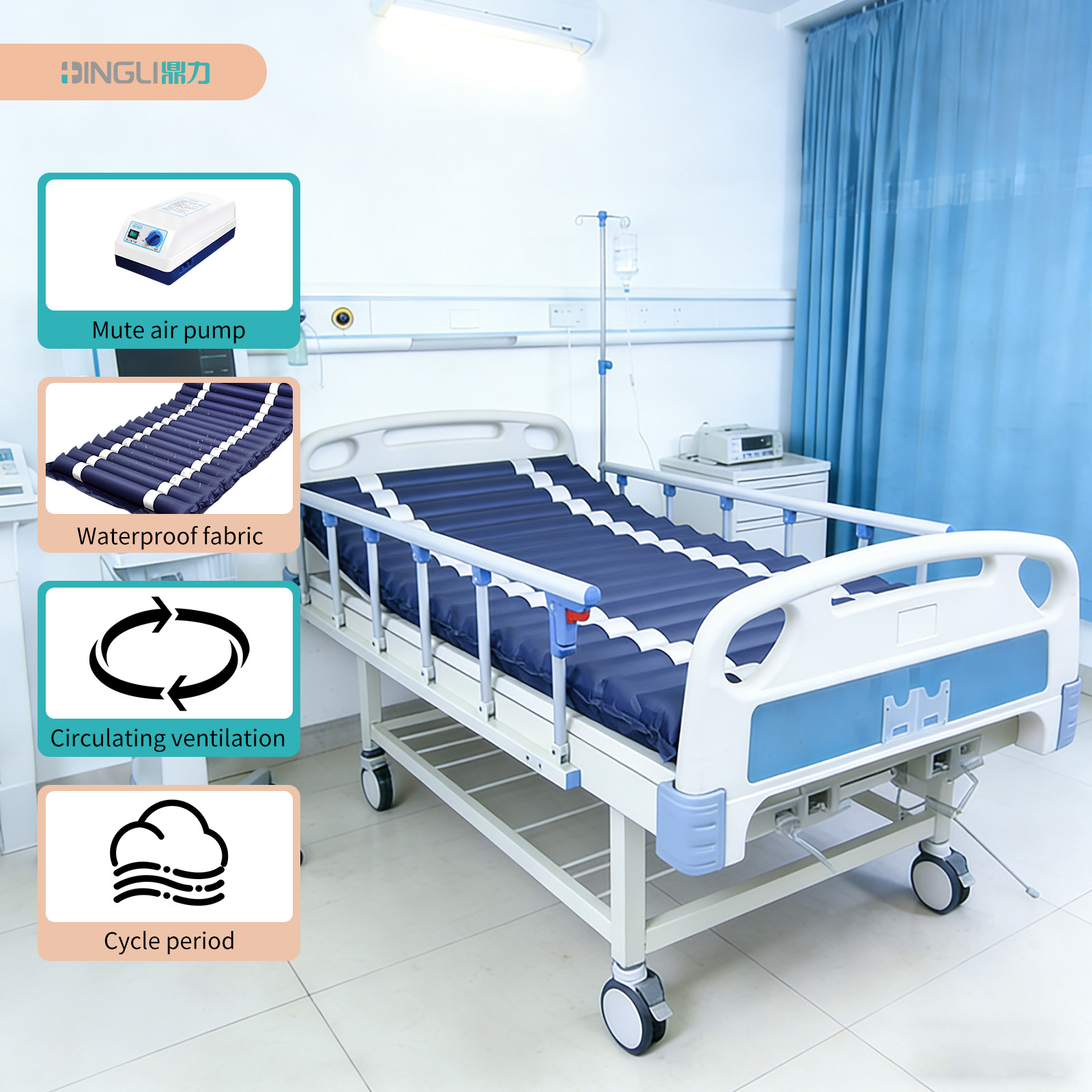
The choice is simple: match the mattress to the user’s risk. High-risk, immobile users need a medical air system; a regular mattress won’t cut it.
Assess the User’s Risk Level and Mobility
The first step is a straightforward assessment of the user’s situation. A regular mattress is only suitable for people with low pressure-injury risk who can move around on their own. For anyone else, you need to evaluate their specific needs to determine the right level of support.
A medical air mattress becomes necessary when a user is considered medium to high risk. This isn’t a gray area. High-risk individuals usually have one or more of these factors:
- Significant Immobility: The user cannot reliably or independently change their position in bed. This includes post-surgery recovery, spinal cord injuries, or advanced frailty.
- Existing Pressure Ulcers: If there’s any sign of skin breakdown (even Stage 1 redness that doesn’t fade), a standard mattress is no longer appropriate.
- Poor Skin Integrity: Factors like malnutrition, dehydration, or incontinence compromise the skin’s resilience, making it highly susceptible to breakdown from pressure and moisture.
Based on this assessment, the selection becomes clearer. Low-risk users who can reposition might only need a pressure-relief overlay. Medium-risk individuals require an alternating pressure system. For high-risk users with complete immobility or existing sores, a full mattress replacement system is the standard of care.
Compare Key System Features and Types
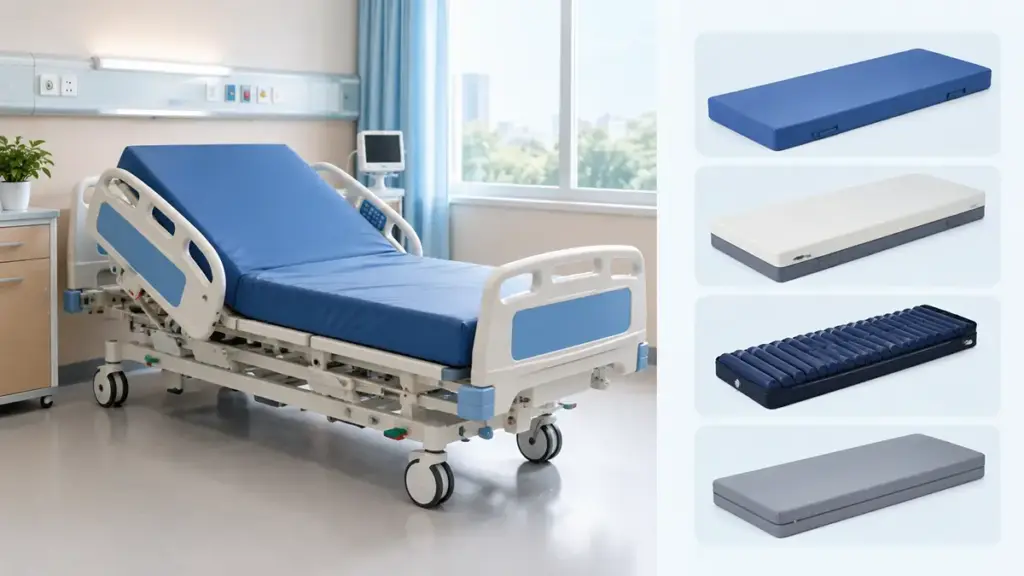
Once you’ve confirmed a medical air mattress is needed, the next step is to compare the different systems. They aren’t all the same. The main distinction is between simple overlays and full replacement mattresses. Overlays are placed on top of an existing mattress for a basic upgrade, while full replacements are comprehensive systems for higher-risk needs.
When evaluating specific models, focus on these core features:
- Pressure Management Technology: Is it an Alternating Pressure (APM) or Low-Air-Loss (LAL) system? APM cyclically inflates and deflates air cells to shift pressure points automatically. LAL systems push a gentle stream of air through the surface to manage heat and moisture, which is critical for users with incontinence or heavy perspiration. Many high-end systems combine both.
- Вес Грузоподъемность: The system must be rated for the user’s body weight to function properly. Using an under-specified mattress leads to “bottoming out,” where the user’s bony prominences push through the deflated cells and rest on the hard bed frame, defeating the purpose of the mattress.
- Pump Function and Noise: The pump is the engine of the system and runs 24/7. Look for a quiet pump that won’t disturb sleep. Also, check for a “static mode” feature, which firms up the entire surface to provide a stable base for patient transfers or nursing care.
- Mattress and Cover Construction: The air cells should be durable and replaceable. The cover material is just as important; it needs to be waterproof to handle fluids but breathable enough to let vapor escape. A low-friction surface also helps reduce the shear forces that can damage skin when a user is repositioned.
Заключительные мысли
A regular mattress presents a clear financial risk disguised as savings. The true cost emerges in wound care expenses, increased labor, and legal exposure. A medical air mattress is not a patient care upgrade; it’s a direct investment in operational stability and risk mitigation.
Stop guessing on which support surface meets the clinical standard for your at-risk population. Our specialists can align the correct system features with specific patient needs and facility budgets. Contact our team for technical specifications and to discuss wholesale or OEM opportunities.