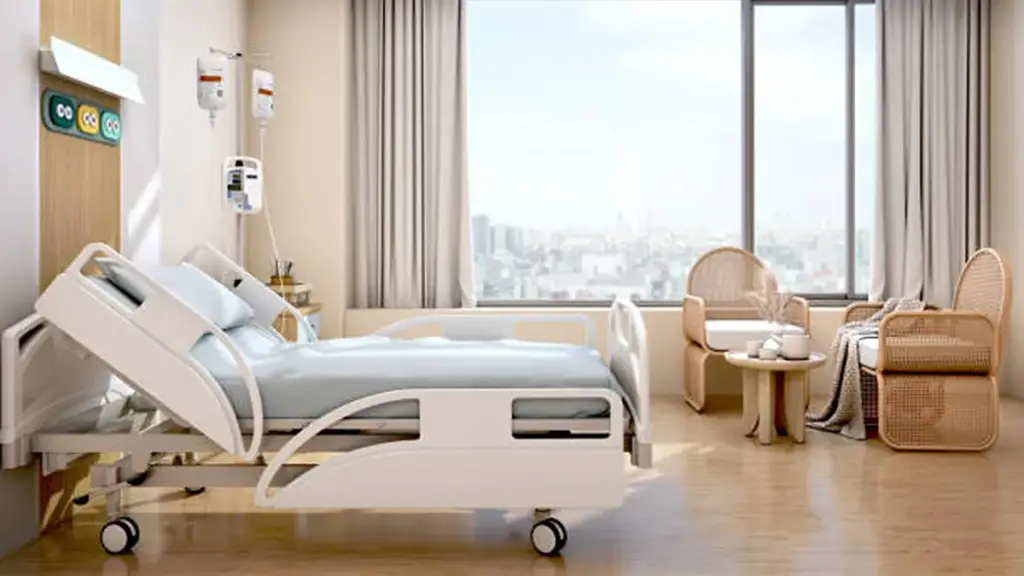
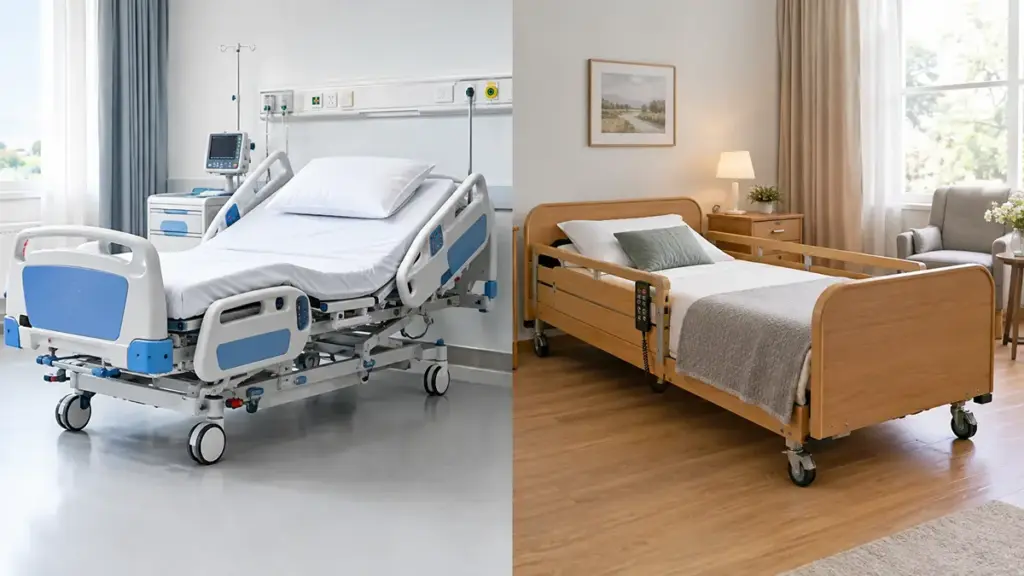
Selecting the right electric hospital beds is critical for managing strained nurse-to-patient ratios and preventing costly adverse events. A single preventable fall can cost over $14,000, creating significant financial risk on top of the strain from manual monitoring and documentation.
This guide analyzes the ROI of intelligent features. We evaluate how technologies like continuous vital sign monitoring, automated turn-assist, and EHR integration justify a capital cost of $10,000 к $40,000 per unit. The analysis quantifies returns from reduced patient falls, fewer pressure injuries, and improved nursing efficiency.
The Evolution of Intelligent Patient Monitoring
Electric hospital beds have moved beyond simple adjustments, becoming connected monitoring platforms that continuously track patient status and help predict clinical risk.
From Mechanical Adjustments to Early Digital Alerts
Hospital beds started as mechanical frames. The first major upgrade was adding electric motors for powered height and section adjustments. This helped with basic patient positioning, but all monitoring still relied on manual vital sign checks and visual observation by nurses.
The first wave of “smart” electric beds introduced simple digital features like bed-exit alarms and built-in scales. These beds could connect to nurse-call systems, making bed status visible at the nurse station. But they were still just isolated pieces of furniture. The patient’s actual physiology was tracked by separate bedside devices.
Becoming AI-Enabled Continuous Monitoring Hubs
The real transformation began when manufacturers integrated embedded sensors, microcontrollers, and network connectivity directly into the bed. The bed itself became a monitoring node within the hospital’s IoT network. This shift enabled continuous, low-contact monitoring of critical patient data.
Modern intelligent beds use a suite of sensors to track patient status without constant manual checks. This data is no longer just a raw number; it’s analyzed for actionable insights.
Data from these sensors is transmitted wirelessly to central nurse stations, mobile devices, and the EMR for auto-documentation. This creates a workflow where data flows from the bed to an AI module and then to a nurse’s app as a prioritized, contextualized alert. This changes nursing from routine manual checks to exception-based care focused on at-risk patients.
What features make a hospital bed smart?
A smart bed isn’t just electric. It uses integrated sensors and network connectivity to become an active monitoring device that generates clinical data, automating safety and care tasks.
| Feature Category | Core Capabilities |
|---|---|
| Integrated Sensors and Continuous Monitoring |
|
| Network Connectivity and Embedded Intelligence |
|
Integrated Sensors and Continuous Monitoring
The core of a smart bed is its ability to see and feel what’s happening with the patient, 24/7. It embeds multiple sensors into the frame and mattress to capture patient status without constant manual checks. Under-mattress sensors can monitor heart and respiratory rates by detecting micro-movements, turning the bed itself into a monitoring device. Load cells provide automatic weight measurements, which helps with fluid balance and drug dosing without needing to move a fragile patient.
Network Connectivity and Embedded Intelligence
A smart bed is not just a sensor hub; it’s a networked medical device. The connectivity is what distinguishes it from a standard electric bed. It transmits all the sensor data wirelessly to the hospital’s core systems. This means bed exit alarms go straight to a nurse’s handheld device, and patient weight can automatically populate the electronic health record (EHR), reducing manual entry and potential errors.
Get Compliant, Durable Medical Equipment Faster
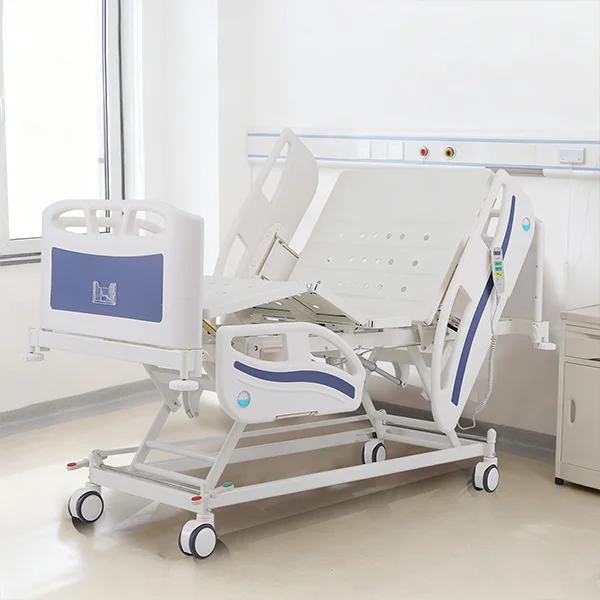
Integrated Weighing Systems and Exit Alarms
Integrated scales provide vital clinical data without moving patients, while exit alarms are a core safety feature for preventing falls in high-risk hospital settings.
Weighing Systems for Clinical Monitoring
Integrated weighing systems are a core feature of modern electric hospital beds, particularly in high-acuity environments like the ICU or dialysis units. Their main job is to provide accurate patient weight data without ever having to move the patient to a separate scale. This eliminates a risky and labor-intensive task, especially for immobile or fragile individuals.
The clinical value comes from turning weight into a continuous data stream instead of an occasional measurement. Staff use these weight trends for critical monitoring and diagnostics.
- Fluid Balance Management: Tracking weight changes helps manage fluid overload in patients with heart or renal failure.
- Medication Dosing: Many drugs are dosed by weight, so having an up-to-date measurement is essential for accuracy.
- Nutritional Tracking: Weight trends help assess nutritional status and the effectiveness of interventions for critically ill patients.
These systems typically use load cells built directly into the bed frame. The best systems offer high accuracy, with some capable of measuring changes as small as 200 grams, making them reliable for fine-tuned clinical decisions.
Bed Exit Alarms for Patient Safety
Bed exit alarms are a fundamental safety feature in electric beds, designed to prevent patient falls. The system alerts staff when a patient at risk—such as an elderly, confused, or critical care patient—tries to get out of bed without assistance. This function is not just an add-on; it’s deeply integrated into the bed’s control and safety architecture.
When combined, integrated weighing systems and exit alarms make an electric bed a powerful tool. The scale handles the clinical monitoring, and the alarm handles safety. This combination is most valuable in settings where patients are both medically fragile and at a high risk of falls.
Automated Turn-Assist and Pressure Redistribution Tech
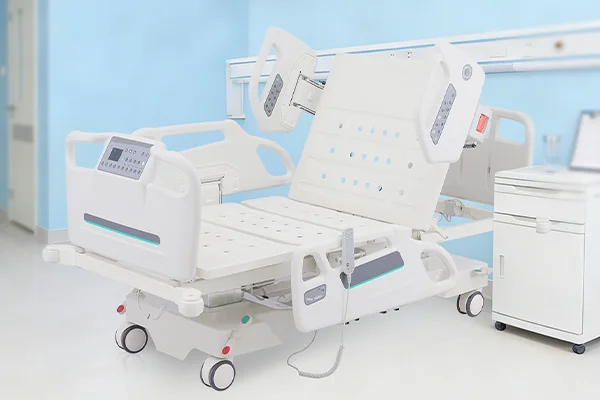
This technology uses powered systems to reposition patients, reducing caregiver strain and preventing pressure injuries by managing pressure, shear, and skin microclimate.
Automated Patient Repositioning Mechanics
Automated repositioning uses the bed’s own power to move a patient, removing the need for caregivers to perform full manual lifts. These systems aim to reposition immobile patients to a side-lying angle, typically around 30 degrees, which is a key part of pressure injury prevention protocols. The mechanics vary but usually involve either the entire bed mechanism rotating the patient or a specialized mattress using inflatable air cells to create a tilt.
Support Surfaces for Pressure Management
Beyond simply turning the patient, advanced support surfaces actively manage the pressure between the patient’s body and the mattress. The idea is to spread the patient’s weight over a larger area to avoid high-pressure points, especially around the pelvis and other bony areas. This is often done using dynamic surfaces with multiple air cells that automatically adjust their internal pressure.
These therapeutic mattresses can also manage the skin’s “microclimate” by circulating air to remove excess heat and moisture. This helps keep the skin dry and intact, reducing the risk of breakdown. These surfaces work hand-in-hand with automated turning. The bed provides the macro-movement (the turn), and the mattress provides continuous micro-adjustments to protect the skin.
Connecting Bed Connectivity to Hospital Systems
Connecting smart beds to hospital IT isn’t just about sending alarms. It’s about turning the bed into a reliable data source for improving safety, workflows, and operational efficiency.
Core Integration Targets and Data Flows
A connected bed is useless if its data goes nowhere. The entire point is to feed real-time information into the hospital’s core clinical and operational systems. This creates a closed loop where the bed provides data and the systems create actionable tasks or documentation.
- This automates the documentation of critical safety data, such as head-of-bed angle and side-rail status. This data helps confirm compliance with safety protocols for things like ventilator-associated pneumonia and fall prevention.
- Integration with Admission, Discharge, Transfer (ADT) systems automates the crucial step of associating a patient with a specific bed. This also provides real-time updates on bed availability to capacity management systems.
- The system transmits real-time safety alerts for bed exits, brake disengagements, or unsafe bed height directly to nurses’ communication devices, reducing response times and alarm fatigue.
Key Connectivity Architectures and Technologies
Getting data off the bed and into the right systems requires a mix of old and new tech.
- Most modern smart beds use the hospital’s Wi-Fi network for two-way data exchange. This allows them to not only send data out but also receive remote configuration changes and firmware updates without a technician visiting the room.
- For basic alarm forwarding, many beds still offer integration through a traditional hardwired nurse call port. This serves as a reliable, fail-safe connection for critical alerts in legacy environments or during network outages.
- Some vendors are using cloud-based platforms. Bed data is sent to the cloud for advanced analytics, multi-site fleet management, and performance dashboards, with the resulting insights then integrated back into the hospital’s on-premises systems.
Streamlining Caregiver Efficiency via Digital Hubs
Digital hubs on electric beds pull monitoring, alerts, and documentation into one workflow. This cuts manual tasks and frees staff to focus on patients who need them most.
Consolidating Tasks into a Centralized Digital Workflow
The core function of a digital hub is to pull scattered information into one place. Instead of running between the bedside, a central station, and a paper chart, caregivers get a unified view of patient and bed status on a smartphone or central panel. This connectivity links bed controls, monitoring functions, alerts, and documentation into a single, cohesive system.
This consolidation directly improves efficiency by giving shared, real-time access to key information. It eliminates the need for staff to physically inspect every bed for basic status checks and improves coordination across the entire care team. Key functions are brought together into one digital stream.
Automating Manual Work to Improve Response Times
Beyond just consolidating data, these digital hubs actively automate low-value, repetitive tasks. This shift is fundamental—it moves caregivers away from a routine of manual checks and toward a model of exception-based care, where they respond to specific, targeted alerts. By offloading the physical and administrative burden, staff can focus their energy on higher-level clinical work.
Automating manual work directly leads to faster and more accurate responses. Instead of discovering a patient trying to get up during a scheduled round, an automated bed-exit alarm sends an immediate notification to the right caregiver’s device. This proactive alerting system replaces constant physical inspection and helps staff prioritize interventions effectively.
Cost-Benefit Realities of Smart Nursing Investments
Smart beds carry a high upfront cost, but their ROI is realized by preventing expensive adverse events, reducing nurse injuries, and automating low-value tasks.
Calculating the Return from Improved Outcomes and Workforce Savings
The business case for smart beds isn’t about the hardware itself. It’s about a direct return on investment (ROI) from avoiding expensive clinical problems and making the existing nursing workforce safer and more efficient. The technology shifts nursing from routine manual checks to exception-based care, where staff respond to specific, data-driven alerts.
Improvements in patient outcomes generate the most significant financial returns. Continuous monitoring and automated safety features are proven to reduce the frequency of costly adverse events. This directly impacts a hospital’s bottom line by cutting expenses related to extended stays, intensive care, and legal exposure.
- Fall Prevention: With each preventable fall costing a hospital around $14,000, the ROI from integrated bed-exit alarms adds up quickly, especially in geriatric or post-op units.
- Pressure Injury Reduction: Automated turning surfaces and microclimate management reduce the incidence of pressure injuries. This cuts down on wound care costs, specialist consultations, and potential litigation.
Beyond patient outcomes, smart beds deliver tangible savings by addressing workforce challenges. Automation directly reduces the physical and administrative load on nurses, which has a clear economic benefit.
- Reduced Nurse Injuries: Automated patient turning and positioning drastically lowers the risk of musculoskeletal injuries among nurses. This translates to fewer workers’ compensation claims, less time off, and lower overtime expenses.
- Workflow Efficiency: Automating vital sign collection and documentation in the EMR frees nurses from low-value, repetitive tasks. This time can be reallocated to direct patient assessment, education, and care coordination.
Accounting for High Capital, Maintenance, and Integration Costs
The primary barrier to widespread adoption is the significant upfront capital investment. A smart bed’s price tag is an order of magnitude higher than that of traditional equipment, making fleet-wide replacement a major financial decision, especially for smaller facilities.
But the purchase price is only the beginning. These are complex, networked medical devices, and their total cost of ownership includes substantial ongoing operational expenses. Facilities must budget for maintenance, integration, and training to realize any potential ROI.
Часто задаваемые вопросы
What features define an intelligent smart hospital bed?
An intelligent smart hospital bed is a connected medical device that combines advanced electric positioning with integrated sensors and network connectivity. Its core features include automated adjustments for therapy and pressure injury prevention, embedded sensors for monitoring vitals and movement, and Wi-Fi connectivity to send data to hospital systems like the EHR. These beds enhance patient safety with features like fall-risk alarms and improve staff workflows by automating tasks such as weight measurement and documentation.
How do automated turn-assist beds protect paralyzed patients?
Automated turn-assist beds protect paralyzed patients primarily by preventing pressure injuries (bedsores). They use programmed lateral rotation to regularly shift the patient’s weight, ensuring consistent repositioning without manual effort. This process reduces prolonged pressure on any single area. These beds can also manage skin moisture with therapeutic surfaces, support respiratory function, and decrease the risk of injury to caregivers by minimizing the physical force needed to move the patient.
Can smart nursing beds connect to wireless hospital networks?
Да, a key feature of smart nursing beds is their ability to connect to a hospital’s wireless (Wi-Fi) network. This allows the bed to function as a medical IoT device, transmitting real-time data automatically. Information like patient weight, bed-exit alerts, side rail status, and bed position can be sent directly to the Electronic Health Record (EHR) and nurse call systems. This wireless connection improves patient safety through immediate alerts and streamlines nursing workflows by automating documentation.
How does an integrated bed scale help clinical diagnostics?
An integrated bed scale is a critical diagnostic tool that allows for frequent, accurate weight measurements without moving the patient from the bed. This is essential for managing fluid balance in patients with conditions like heart or kidney failure. The real-time weight data also helps ensure correct dosing for weight-based medications and allows clinicians to monitor nutritional status. By automating data capture, it provides a reliable trend of weight changes, helping clinicians diagnose conditions and assess treatment effectiveness.
What are the maintenance protocols for smart motorized medical beds?
Maintenance protocols for smart motorized beds are multi-tiered. Nursing staff perform daily checks on brakes, боковые рельсы, and controls. More thorough weekly cleanings and mechanical inspections follow. Annually, biomedical technicians conduct comprehensive electrical safety testing, lubricate moving parts, and calibrate sensors like integrated scales and bed-exit alarms. For smart beds, this also includes verifying network connectivity and updating software to ensure data is transmitted accurately and securely.
What is the average price range for an intelligent nursing bed?
An intelligent or smart nursing bed is a premium piece of medical equipment. While standard electric hospital beds cost less, a smart bed equipped with advanced sensors, connectivity, and automation typically ranges from about $10,000 к $40,000 per unit. The price reflects its advanced technology for patient monitoring, fall prevention, pressure injury management, and seamless integration with hospital data systems.
Заключительные мысли
Basic electric beds have a lower upfront cost, but this ignores the high price of patient falls, staff injuries, and documentation errors. A truly smart bed’s integrated sensor platform is your defense against these expensive operational risks. You are investing in measurable clinical outcomes and workforce efficiency, not just furniture.
Don’t guess which features will deliver the best ROI for your specific environment. Contact our team to review the technical specifications for your hospital or private-label product line. We can help you build the right configuration to meet your clinical and commercial goals.