Sourcing from Chinese hospital bed manufacturers exposes importers to a critical risk: confusing a real factory with a middleman trading company. This single mistake creates a cascade of failures, from inconsistent quality and high warranty claims to massive, unpredictable supply chain disruptions.
This analysis provides a vetting framework that goes beyond marketing claims. We detail the hard evidence required to qualify a partner, focusing on how to verify site-specific ISO 13485 certifications, audit true monthly production capacity, and confirm the source of critical components like steel frames and electric motors.
Why China is the Global Hub for Hospital Bed Manufacturing
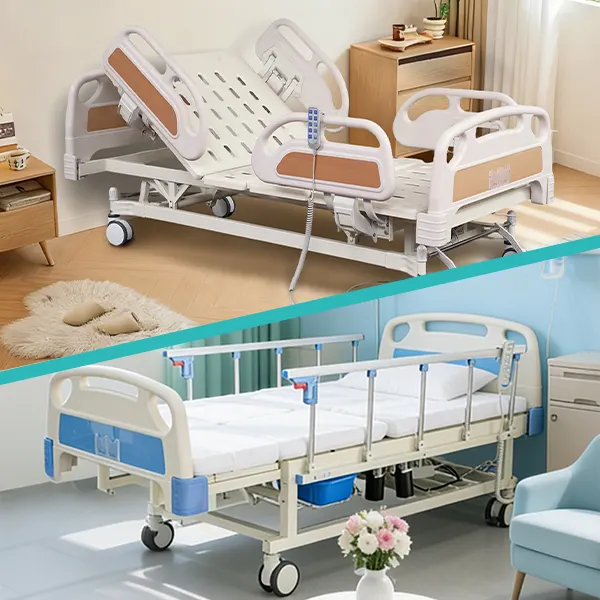
China’s dominance comes from its huge domestic healthcare market creating massive scale, backed by a complete, low-cost supply chain that’s nearly impossible to replicate elsewhere.
Vast Domestic Demand and Integrated Supply Chains
China’s position as the world’s second-largest healthcare market, valued at over $1 trillion, creates a relentless domestic need for больничные койки. An aging population and nationwide hospital expansion fuel this demand, allowing manufacturers to justify dedicated, high-volume production lines. This scale isn’t possible without an equally impressive supply chain.
Favorable Industrial Policy and Export Orientation
Government initiatives like “Healthy China 2030” directly support hospital modernization and capacity expansion, which reinforces the strong domestic demand. This policy alignment channels investment and talent into medical device manufacturing. Large-scale public procurement programs often favor cost-effective, locally produced beds, which helps domestic manufacturers refine their processes and drive down costs even further.
The Hidden Risks: Differentiating True Factories from Trading Companies
Sourcing hospital beds means telling a real factory from a trading company. Getting it wrong exposes you to inconsistent quality, unstable pricing, and massive supply chain risk.
When you’re sourcing something as critical as a hospital bed, your supplier’s identity is everything. A trading company is just a middleman, adding a margin while creating a buffer between you and the people who actually build the product. A true manufacturer controls the entire process, from raw steel to final inspection. Knowing the difference is fundamental to securing a reliable supply chain.
Red Flags of a Trading Company
Trading companies often present a polished front, but their foundation is weak. They arbitrage information and access, but they don’t make anything. Here are the clear signals that you’re dealing with an intermediary, not a producer.
- Inconsistent Product Catalog: The portfolio is excessively broad and messy. Different bed models have different components and design styles, indicating they are sourced from multiple, unrelated factories.
- Volatile Pricing: Quotes fluctuate aggressively based on quantity. This happens because they are actively negotiating with the actual factory on your behalf, not pricing based on their own production costs.
- Limited Customization: They can handle simple rebranding, but any request for real engineering changes (ОЭМ/ОДМ) is met with long delays while they “check with the factory.”
- Unreliable Supply: Lead times are unpredictable because they don’t control the production schedule. You face a higher risk of receiving products from different manufacturing batches or even different factories.
Hallmarks of a Genuine Manufacturer
A real manufacturer has a physical footprint, engineering depth, and direct control over their output. Their business is built on production capability, not just salesmanship. These are the signs of a partner you can build a long-term relationship with.
- Focused Product Portfolio: They specialize in hospital beds and related medical furniture. This focus demonstrates engineering depth and a clear understanding of clinical requirements.
- Site-Specific Certifications: Their ISO 13485 and other regulatory documents are directly linked to their manufacturing address, proving they are the producer of record.
- Robust After-Sales Support: They offer a real support system, including guaranteed spare parts availability, technical training for maintenance, and field service capabilities.
Get Certified Hospital Equipment, Direct from the Factory.
Key Criteria for Vetting Chinese Hospital Bed Manufacturers
Vetting Chinese bed manufacturers isn’t about their marketing claims. It’s about auditing their real-world capacity, quality systems, regulatory paperwork, and supply chain for hard evidence.
When you’re sourcing hospital beds from China, you’re not just buying furniture; you’re procuring a regulated medical device. The difference between a reliable factory and a trading company middleman is everything. Use a structured approach to cut through the noise and verify what actually matters.
| Vetting Criterion | Key Areas to Audit |
|---|---|
| Production Capacity & Scalability | Monthly output by bed type (manual, electric, ICU), current utilization rate, lead times for orders of 50-200 units, and level of automation (например, robotic welding). |
| Quality Management Systems | Valid ISO 13485 certificate with “больничные койки” in its scope. Demand to see internal QC records, load testing reports, and evidence of component traceability. |
| Regulatory Compliance | CE/MDR or FDA documentation tied to the specific factory address. Cross-check model numbers on certificates, Declarations of Conformity, and product labels. |
| R&D and Customization | Proof of an in-house engineering team. A structured process for samples and prototypes, not just vague promises. Clear terms on design IP for OEM/ODM projects. |
| Supply Chain Audits | Source and grade of steel used for frames. Approved supplier list for critical parts like motors and casters. Records from incoming quality control (IQC). |
Production Capacity and Scalability
A supplier’s claimed capacity is meaningless until you verify it. Large tenders or unexpected demand surges can break a weak operation. You need to know their real monthly output, how quickly they can scale, and their standard lead times. Automation isn’t just for show; robotic welding and automated powder-coating lines produce more consistent quality at scale.
- Monthly Output: Get hard numbers for each product family (manual, electric, ICU). A small factory might produce under 300 beds a month, while a major exporter can handle over 3,000.
- Scalability: Can they handle a 30-50% surge in orders within 60-90 days without quality dropping? This separates the serious players from the workshops.
- Lead Times: A typical first production run of 50-200 beds should take 30-60 days. Anything longer might signal supply chain or management issues.
- Factory Flow: Look for a logical layout with dedicated, separate areas for steel cutting, welding, surface treatment, assembly, and final QC. A chaotic shop floor is a red flag.
Quality Management Systems
Every supplier will wave an ISO certificate at you. Your job is to look past the paper. The ISO 13485 standard is specific to medical devices and is non-negotiable for hospital beds. The certificate must name the correct legal entity, list the actual factory address, and explicitly include “больничные койки” или “medical beds” in its scope of certification. A general ISO 9001 cert isn’t enough.
- Certificate Verification: Check that the ISO 13485 certificate is current and issued by a reputable body.
- QC Testing: Ask for proof of their quality control tests. This includes load/static testing for the Safe Working Load (SWL), endurance tests for motors and actuators, and electrical safety tests for all powered beds.
- Traceability: Each bed must have a unique serial number that links back to production batches and critical component lots (motors, control boxes). If they can’t demonstrate this, their system is weak.
Regulatory Compliance (FDA, CE, МЛУ)
Regulatory compliance is where importers get burned. A mismatched name or model number between the CE certificate, the Declaration of Conformity, and the product label can get your shipment stopped at the border. For the EU market, the manufacturer must meet the Medical Device Regulation (МЛУ) requirements. For the US, they need FDA establishment registration and potentially a 510(к) clearance for powered beds.
- Document Pack: Assemble a complete regulatory file for the supplier. This includes ISO 13485, CE/FDA docs, a Declaration of Conformity, the Chinese domestic registration certificate, and key test reports (like IEC/EN 60601-2-52).
- Consistency is Key: Ensure the manufacturer’s name, address, and product model numbers are absolutely identical across all documents. Any variation is a major red flag.
R&D and Customization (ОЭМ/ОДМ) Capabilities
Many suppliers claim OEM/ODM capabilities, but few have a real engineering team. True customization goes beyond changing colors or adding a logo. It involves modifying frame geometry, integrating new functions like scales or alarms, and developing a product to meet specific tender requirements. This requires an in-house R&D team with mechanical and electrical engineers.
- Engineering Resources: Ask about their R&D team. Do they use CAD/CAE tools for structural analysis? Can they show you examples of past customization projects?
- Prototype Process: A professional manufacturer has a formal process for creating and testing prototypes before mass production. Ask about their timeline and feedback loops.
- Intellectual Property: For any ODM project, get the IP ownership and market exclusivity terms in writing. Don’t assume your design won’t be sold to a competitor.
Supply Chain and Material Sourcing Audits
A hospital bed is only as strong as its weakest component. The frame’s durability depends on the grade and thickness of the steel. The reliability of an electric bed depends on the quality of its motors and actuators. You need to audit their control over these critical inputs. A solid manufacturer maintains an Approved Supplier List (ASL) and performs incoming quality control (IQC) on all critical parts.
- Steel Sourcing: Verify the source and grade of their steel. Ask for material certificates from their suppliers. The coating process is also critical for corrosion resistance.
- Critical Components: Who supplies their motors, actuators, control boxes, and casters? Are these from reputable brands with a track record in medical equipment?
- Risk Mitigation: Do they have backup suppliers for key components? What happens if their primary motor supplier has a production halt? A good partner has a contingency plan.
A Step-by-Step Guide to the Sourcing and Procurement Process
Sourcing hospital beds is a structured process focused on clinical needs, regulatory compliance, and total cost of ownership—not just the initial price tag.
Step 1: Initial Online Research and Longlisting
The first move isn’t finding suppliers; it’s defining exactly what you need. Start by specifying the bed category: manual, semi-electric, ICU, bariatric, or another specialty. This choice depends entirely on your patient population, care setting, and staff workflow. Once your requirements are clear, you can start screening manufacturers. Look for suppliers who openly provide data on safety features, weight capacity, and regulatory compliance. Build a longlist of potential partners and immediately cut anyone who fails to provide clear product specs or compliance documents.
Step 2: Request for Quotation (RFQ) and Initial Vetting
With a longlist in hand, you issue an RFQ. Make it detailed. Include dimensions, load ratings, electrical features, mattress compatibility, and side rail requirements. This forces suppliers to quote on an apples-to-apples basis. Demand a fully itemized quote that breaks out shipping, installation, and warranty costs. At this stage, compliance documentation is non-negotiable. If a supplier can’t provide valid certifications and test reports, they’re out. You’re comparing quotes based on total cost of ownership, not just the unit price. A cheap bed with high maintenance costs is a bad deal.
Step 3: Sample Evaluation and Factory Audits (On-site or Virtual)
Never buy in bulk without testing a sample first. Get a physical demo unit and put it through its paces. Check bed movements, стабильность, the user interface, and how easy it is to clean. Test the side rails, brakes, and emergency controls under realistic conditions. It must be intuitive for both patients and caregivers. В то же время, schedule a factory audit. Whether you go in person or do it virtually, you need to see their manufacturing process. Pay close attention to welding quality, surface finishing, and their final QC testing. This is where you verify they can consistently produce a safe, durable product.
Step 4: Contract Negotiation and Finalizing Terms
The final step is locking down the agreement. The contract must be built around the total delivered cost, including all charges for shipping, installation, and service. Define firm delivery timelines and the criteria for acceptance. The warranty terms, spare parts availability, and maintenance responsibilities must be spelled out explicitly. Your contract should also specify the exact bed configuration to prevent any last-minute substitutions. Add quality clauses that link final payment to the delivered beds matching the approved sample and all technical specifications. Get everything in writing before any money changes hands.
On-site vs. Virtual Factory Audits: A Post-Pandemic Reality
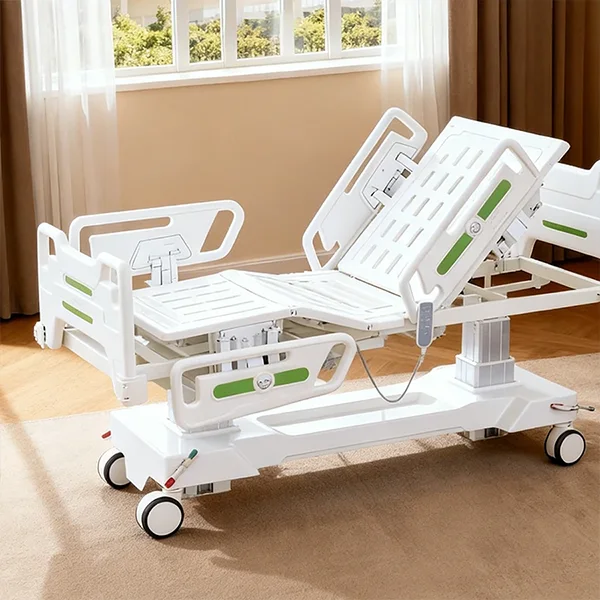
The pandemic didn’t eliminate on-site audits; it created a hybrid model. Use on-site for physical verification and virtual for efficient documentation reviews and regular check-ins.
The Role of On-site Audits for Physical Verification
On-site factory audits are still essential for verifying the things a camera can’t see and a document can’t prove. For hospital beds, this means physically inspecting the quality of frame fabrication and welding, which directly impacts structural safety and load capacity. You need to see the process in person to gauge consistency.
The Strategic Use of Virtual Audits for Efficiency and Oversight
Virtual audits are not a full replacement for being there in person, but they serve as a powerful and efficient tool for specific tasks. Their main strength is in reviewing documentation. An auditor can remotely examine quality manuals, design control files, stress test data, and traceability records without the cost and time of travel.
Дингли Медикал: Your Hardcore Manufacturing Partner in China
We are a China-based OEM manufacturer of hospital beds and care equipment. Buyers must directly request factory specifics and certifications as part of any serious due diligence.
Our Production Facility
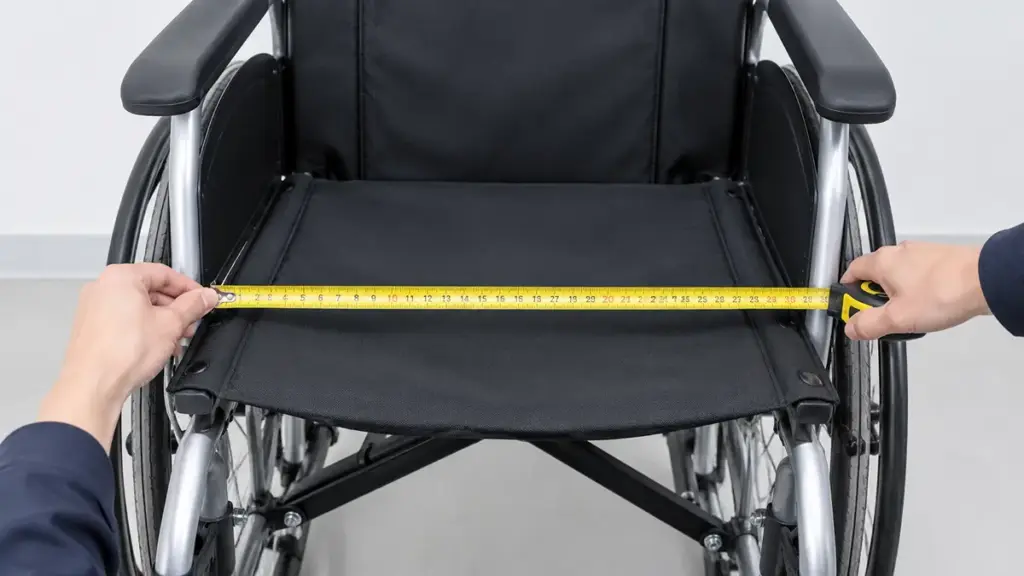
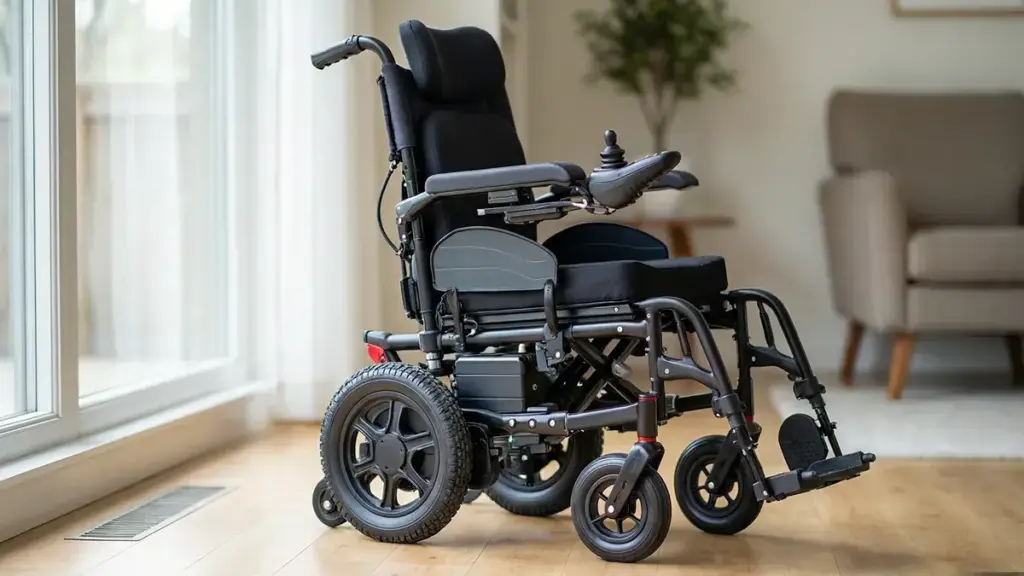
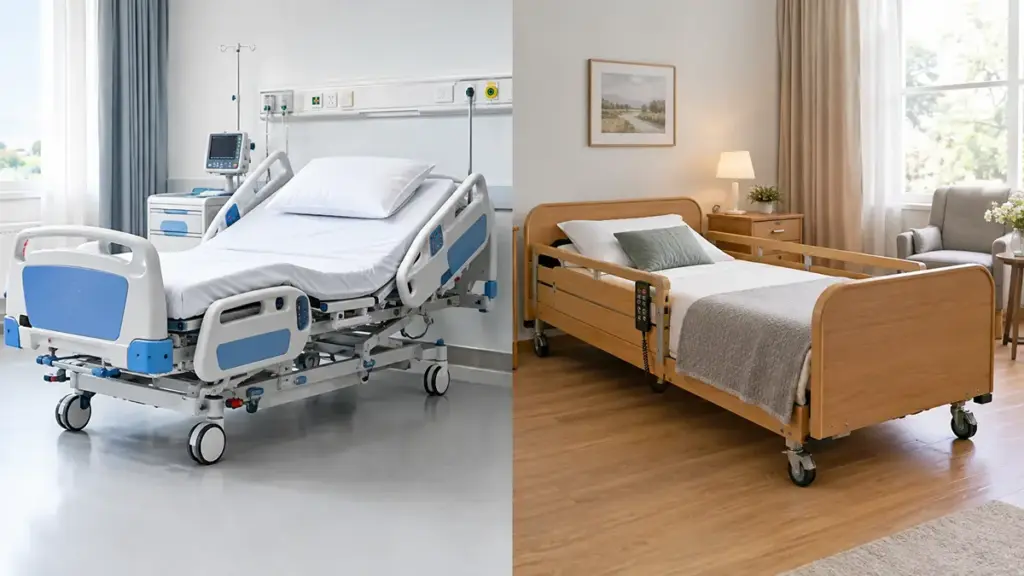
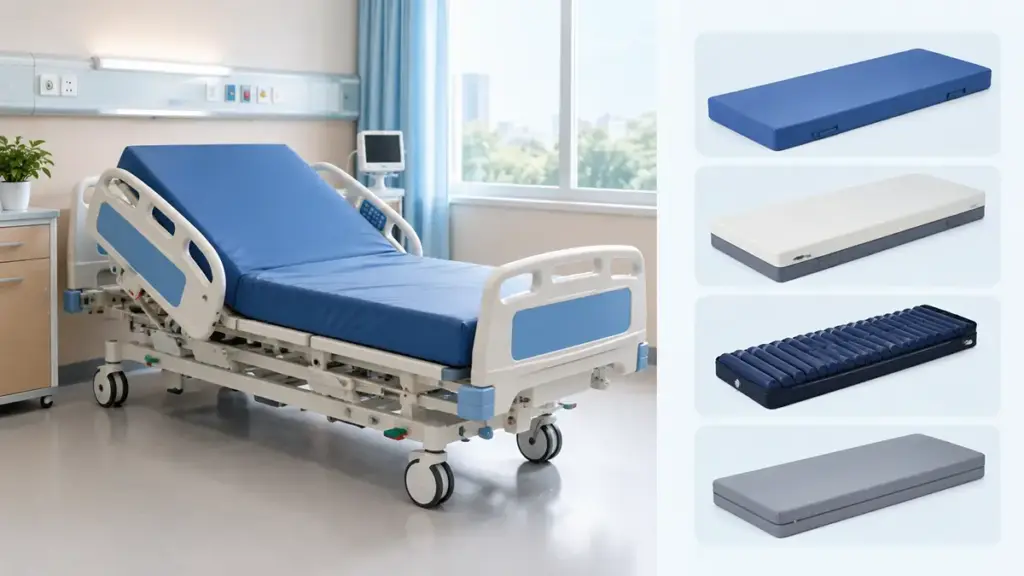
We operate our own medical equipment factory in Hebei, Китай, focused on hospital beds and adjacent care products. Our operation is structured specifically for export, serving overseas buyers and international distributors. While we produce a broad range of equipment—from hospital beds and electric care beds to wheelchairs and anti-bedsore mattresses—we don’t publicly detail our factory metrics. You’ll need to ask for specifics like facility size, employee count, and monthly production volumes.
Comprehensive OEM/ODM Services
We provide full Original Equipment Manufacturer (OEM) and Original Design Manufacturer (ODM) services for both hospital and home care beds. We are always ready to work with OEM partners to produce custom or private-label equipment for global brands. Our business model is straightforward: we supply catalog-style goods that distributors can market under their own name. The fine print—minimum order quantities, tooling policies, and the formal customization process—is something we discuss directly with potential partners.
Certifications and Global Compliance
We state our alignment with major international medical device standards, including CE, FDA, and ISO. Our entire operation is geared for international trade compliance. But claims are just claims. The actual certificate numbers, issuing bodies, and the scope of product-specific regulatory approvals are not public information. Any serious procurement due diligence requires a direct request for documentation to confirm the compliance status of the specific product models you need.
Заключительные мысли
Choosing a hospital bed supplier is not about finding the lowest price; it’s about eliminating risk from your supply chain. The vetting criteria outlined here are your defense against trading company shortcuts, regulatory blocks, and catastrophic quality failures. Cutting corners on due diligence is a direct threat to your brand’s credibility and your customers’ безопасность.
The framework for identifying a genuine factory is now clear. Put it to the test by requesting our complete documentation package—ISO 13485, CE/FDA compliance, and model-specific technical data. For OEM partners, schedule a technical consultation to review your design specifications and production requirements.